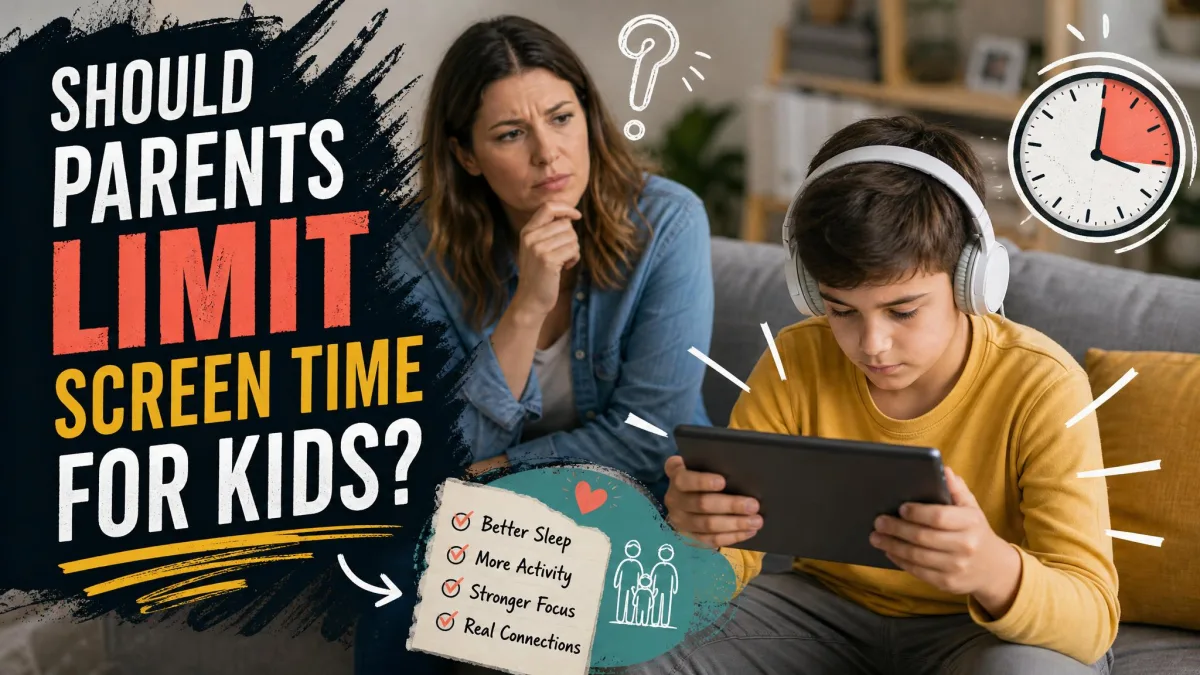
In today's digital age, social media is where much of teen life happens, and most parents never see any of it. The apps that keep kids connected also expose them to cyberbullying, online predators, and harmful content.
That leaves parents caught between two fears: what might happen if they do not watch, and what watching does to trust. Monitoring can catch real dangers, but research shows heavy-handed restrictions often push kids toward secrecy rather than safety.
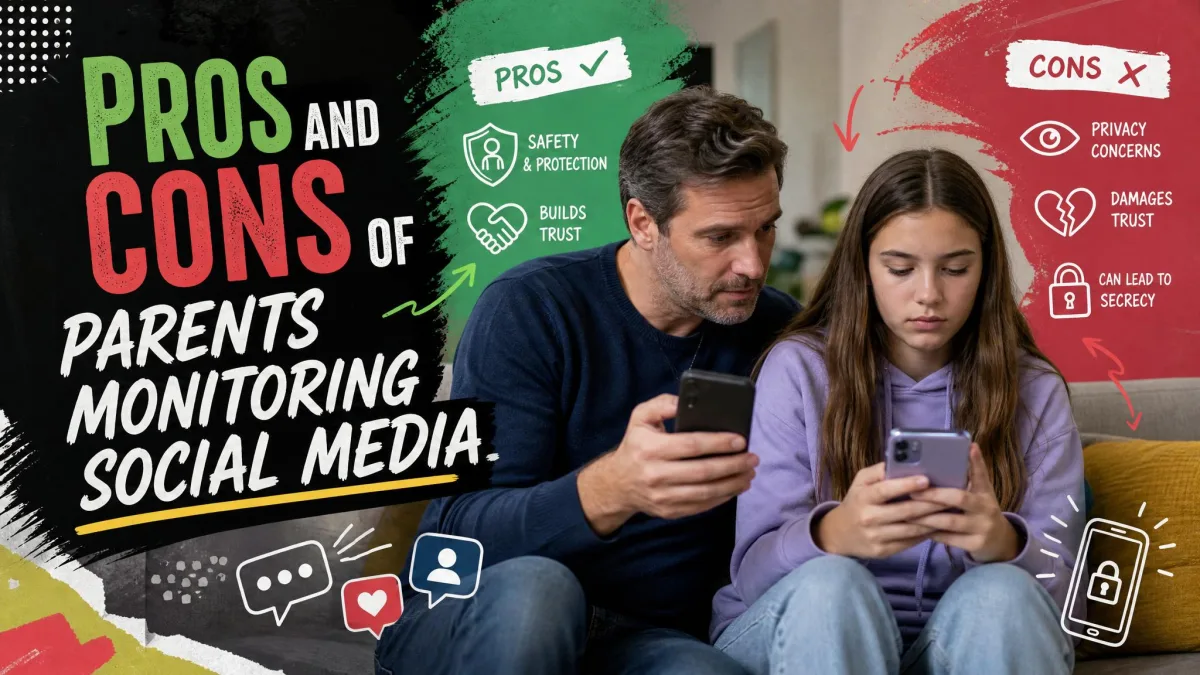
In this article, we'll weigh the pros and cons of parents monitoring social media, plus what the research says about balance, age, tools, and the law.
The Pros of Monitoring Your Child's Social Media
The arguments for monitoring rest on real, documented risks. These are the benefits worth weighing first.
1. Protection From Cyberbullying
Cyberbullying is one of the most common harms in teen social media, and monitoring helps parents catch it early. About 46% of U.S. teens have experienced at least one form of it, and 16% of high school students were electronically bullied in the past year. Digital awareness resources for parents explain how to spot the warning signs, and checking private messages can reveal what never reaches the public feed.
2. Limiting Exposure to Inappropriate Content
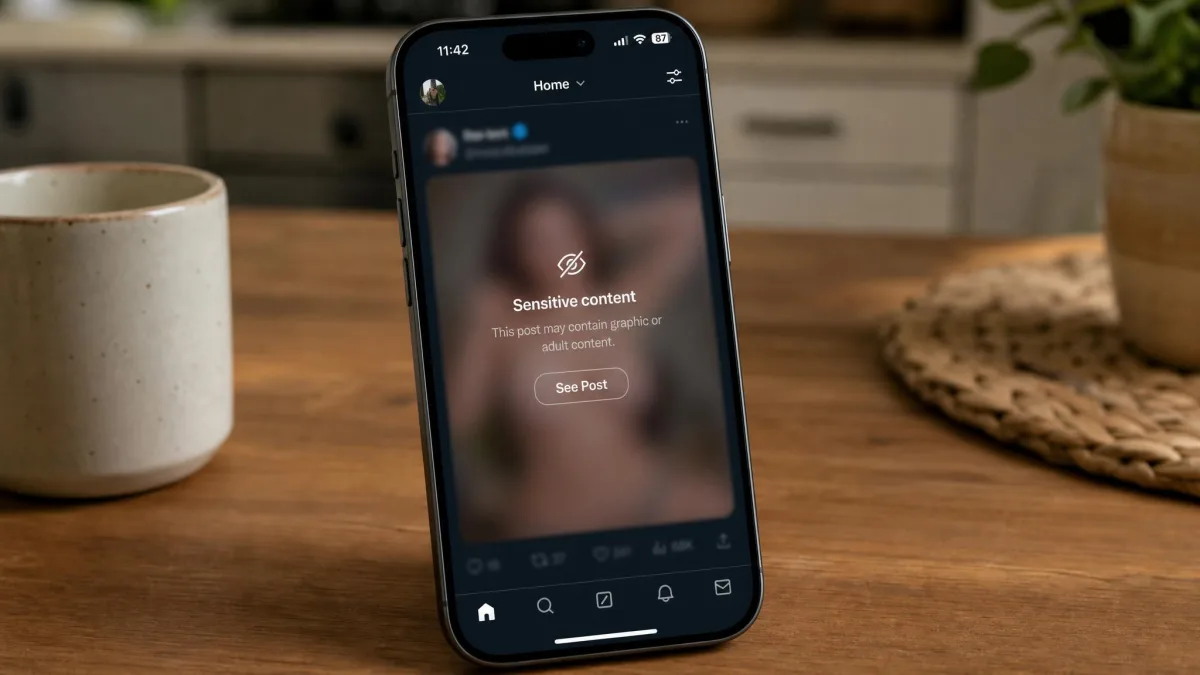
Social platforms serve content by algorithm, and not all of it suits a 13-year-old. Monitoring tools and family agreements can limit exposure to inappropriate content, violence, and disturbing imagery before a child goes looking for it. The Surgeon General's 2023 advisory called social media a profound risk of harm to youth mental health.
3. Encouraging Responsible Online Behavior
Kids make better choices when they know a parent might see what they post, and that awareness is coaching, not just surveillance. Teens who expect their accounts to be reviewed think twice before sharing personal details or posting a cruel comment. Over time, that habit becomes self-regulation, the real goal of responsible online behavior.
4. Early Detection of Mental Health Struggles
Social media can take a real toll on teen mental health. The Surgeon General's 2023 advisory found that adolescents who use social media more than 3 hours a day face roughly double the risk of depression and anxiety symptoms, and 46% say it makes them feel worse about their body image. Monitoring can surface warning signs such as sudden withdrawal or darker posts, letting a parent connect a child with help sooner.
5. Preventing Dangerous Interactions With Strangers
Online predators work in the same private spaces where teens socialize, and most parents never see those conversations. Monitoring helps families notice unfamiliar contacts, odd requests, or an adult who keeps messaging a minor before a situation turns dangerous. Knowing who your child talks to online is one of the simplest ways to reduce risk.
6. Promoting Open Communication and Trust
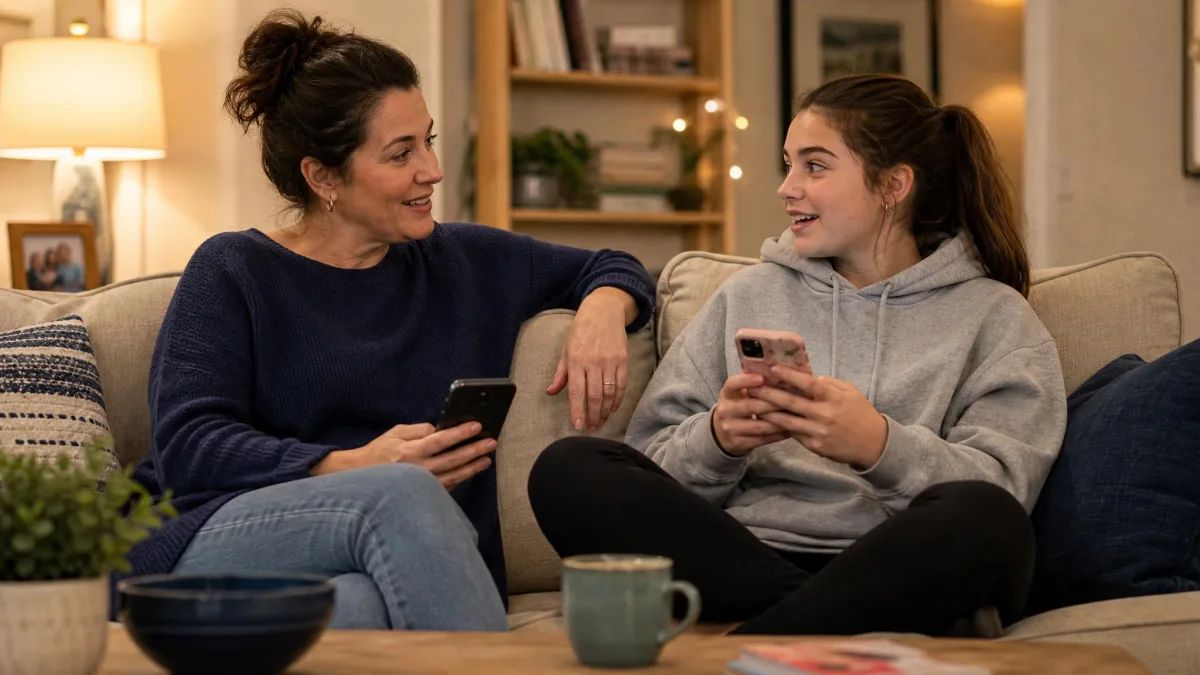
Monitoring works best when it is transparent, because secrecy breeds the trust issues parents worry about. About 38% of parents and teens say they argue at least sometimes over phone time. A peer-reviewed study on parental monitoring of 227 U.S. parents found family closeness was the strongest protective factor, stronger than any restrictive rule. Used openly, monitoring becomes conversation, and that is how trust grows.
7. Reducing the Risk of Identity Theft or Privacy Violations
Teens overshare in ways adults rarely do, posting birthdays, school names, and locations that identity thieves can piece together. Reviewing accounts with a child makes it easier to spot oversharing, catch suspicious logins, and tighten privacy settings early. Guarding personal data is a skill that pays off long after childhood.
8. Managing Screen Time and Online Habits
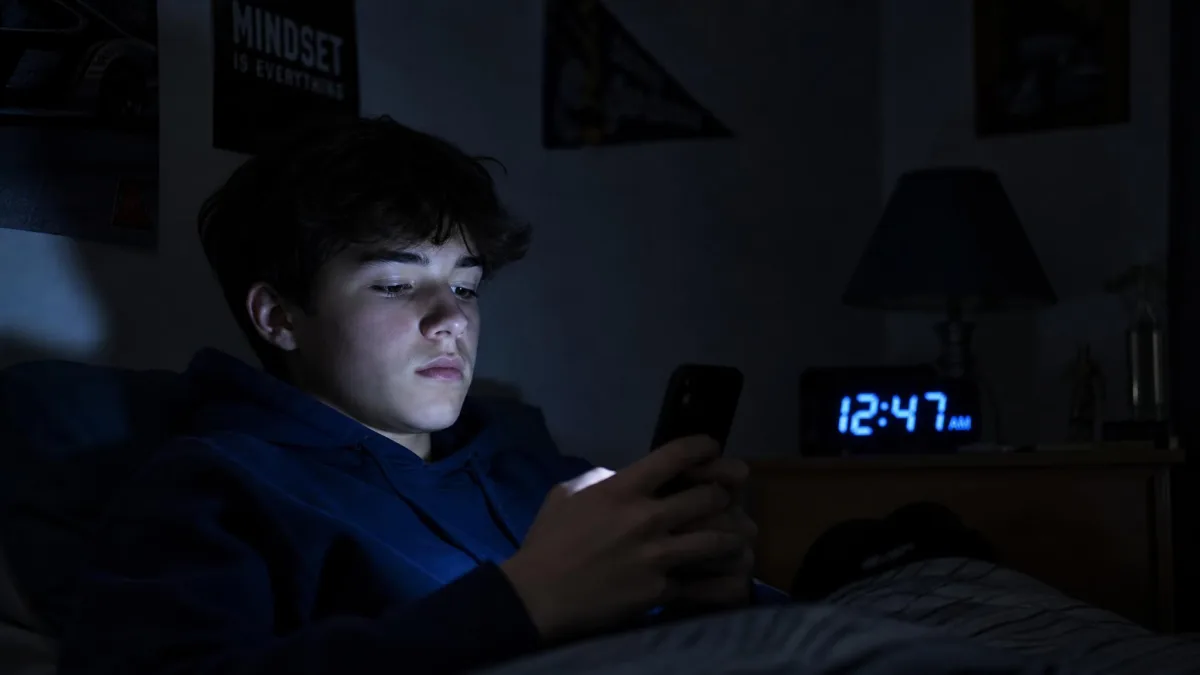
Many parents start monitoring because of time, not danger. Roughly 46% of U.S. teens are online almost constantly, and nearly 1 in 3 use screen media until midnight or later on a typical weekday. Built-in tools such as Apple Screen Time and Google Family Link can set daily limits, wind down screens at bedtime, and block the apps that eat the most attention.
9. Insights Into Their Social Circles and Friendships
Parents are often the last to learn who their teen actually talks to online. Monitoring offers a window into a child's social circles: which friends appear often, which accounts cause stress, and which conversations look one-sided. That context helps parents notice shifts in friendships early and offer support before a social problem becomes an emotional one.
10. Teaching Digital Citizenship
Digital citizenship is a skill, and it needs coaching, not lectures. Monitoring lets parents walk a child through real choices: what to post, how to reply to a mean comment, when to block, and how to judge whether a source is real. Teens who practice those decisions under guidance carry them into adulthood.
The Cons of Monitoring Your Child's Social Media
The case against monitoring is not about technology; it is about relationships, autonomy, and whether a watched child ever learns to handle freedom.
11. Trust and Privacy Concerns
Privacy matters to teens, and monitoring is an intrusion by definition. About half of U.S. parents have looked through their teen's phone, and 43% of teens believe their parents have checked. Many kids read that as distrust rather than care, and a child who feels watched may stop sharing the honest updates that keep parents connected.

12. Secretive Behavior Can Backfire
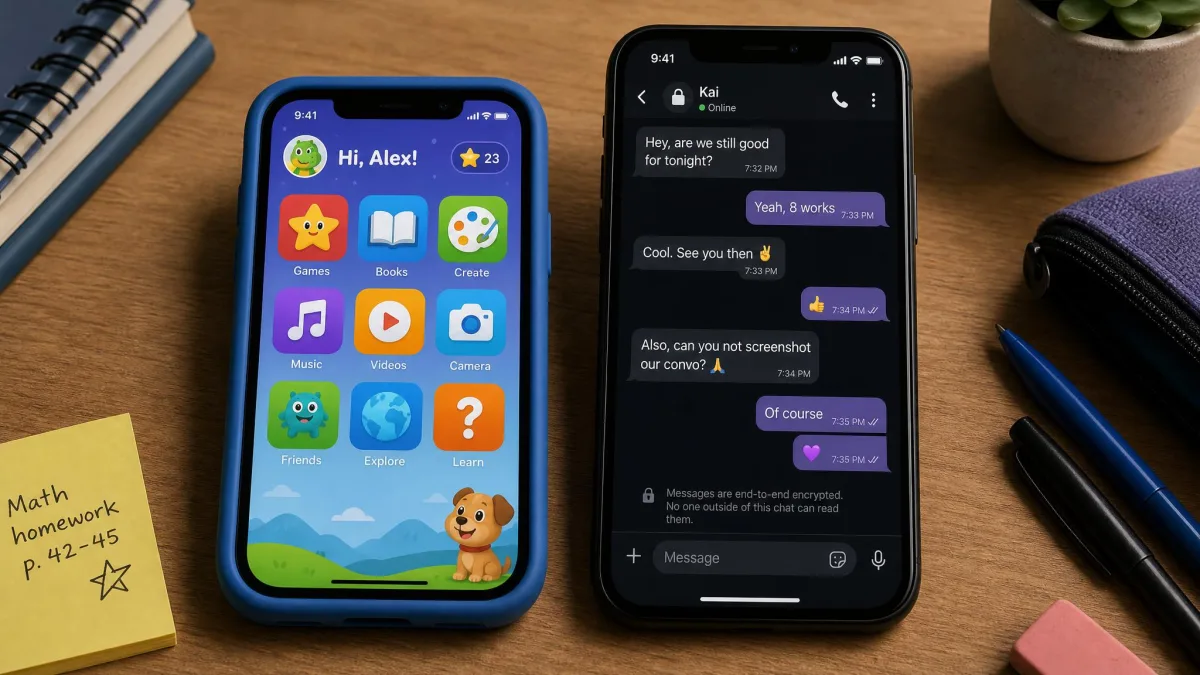
Strict monitoring can push kids underground instead of keeping them safe. Teens work around parental controls with second finsta accounts, hidden apps, VPNs, and passcodes guessed from fingerprint smudges. Research links heavy-handed restrictions to more secretive behavior, the opposite of what monitoring is meant to achieve.
13. Stifling Independence and Freedom
Adolescence is when kids learn to make decisions without a parent hovering, and constant monitoring short-circuits that independence. A Stanford study of 102 children ages 4 to 6 found that parents who repeatedly stepped in while a child was on task saw worse self-regulation later. The research on parental involvement and child wellbeing is not about teens, but a teen whose every post is watched never practices making their own calls.
14. Risk of Parental Overreach
Where does reasonable oversight end and overreach begin? It is a line parents cross easily, especially with tools that log every message and location ping. Over-monitoring can read as control rather than care, and teens respond to control by testing boundaries harder. Ask what a tool actually adds before installing it.
15. Pressure to Maintain Perfect Behavior
Knowing every post is watched creates pressure to perform. Teens may stop experimenting, sharing honest opinions, or posting anything not carefully edited, because the audience now includes a parent. That performance is exhausting, and it teaches kids to hide rather than reflect. A teenager who never makes a mistake online loses one of the best reasons to be online.
16. Risk of Misinterpretation by Parents
Parents see fragments, not context. A dark meme, an inside joke, or a screen of dramatic captions can look like a crisis to an adult who lacks the teen's frame of reference. Monitoring without understanding breeds false alarms, and reacting to something harmless makes a teen feel judged. Ask what a post actually means before acting.
17. Discouraging Digital Literacy
When every risky site is blocked and every questionable post removed, kids never learn to evaluate what they see. Digital literacy develops through practice, mistakes included, and an over-filtered environment can leave a teen unprepared for the unfiltered internet of adulthood. Monitoring that does all the thinking also does all the teaching.
18. Impact on Peer Relationships
Teens confide in friends partly because parents are not listening. When a parent monitors, some kids stop sharing in online chats for fear it will be read, while others are embarrassed if peers find out they are watched. Monitoring that chills those conversations can leave a child isolated rather than protected.
19. Limited Effectiveness for Safety
Monitoring is only as effective as the tools and habits behind it, and the evidence is mixed. Some monitoring apps deliver alerts hours late or miss concerning content, and a teen who wants to avoid a parent's eye can switch apps or hide an account. Controls also stop at the edge of the device, so they do little once a child is on a friend's phone.
20. Overemphasis on the Negative Side of Social Media
Social media is not only a risk to manage; it is where many teens find community, humor, and support. A monitoring-heavy approach can signal that the platform is dangerous and the child is not trusted, a skewed picture of a tool most kids use well. About 14% of adolescents say social media makes them feel better about their body image. The goal is to manage the risks without pretending the benefits do not exist.
Striking the Right Balance: Safety Without Surveillance
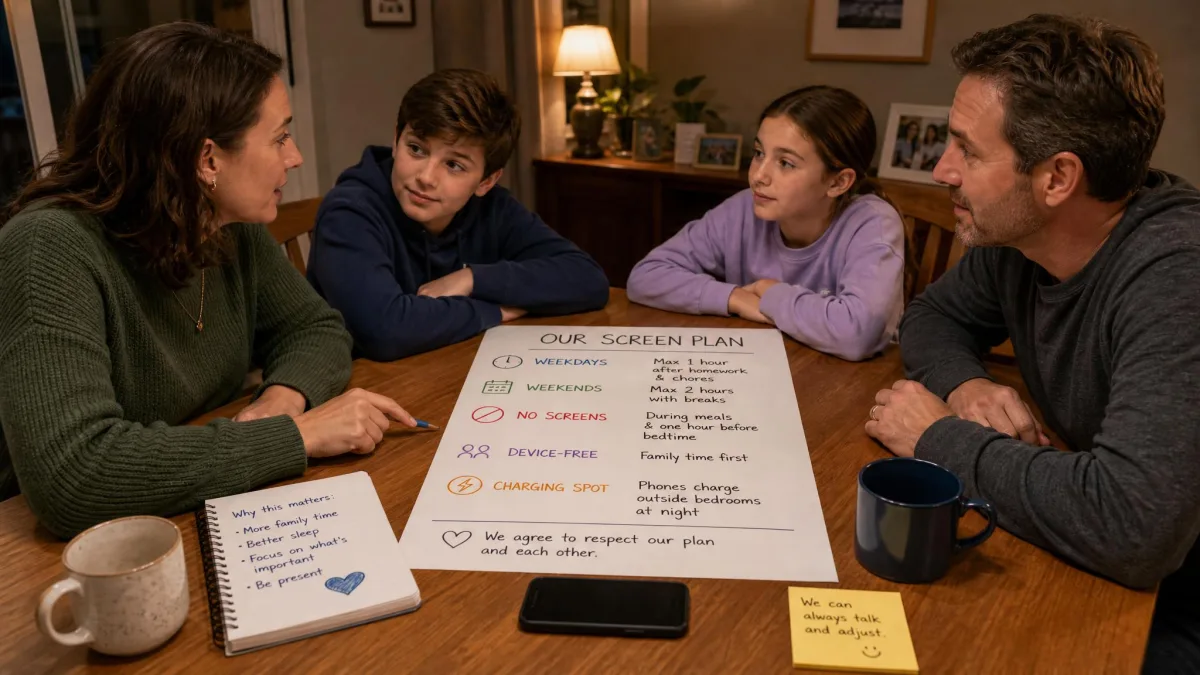
The goal is not choosing between safety and privacy; it is holding both, and research says that is possible. Studies of parental monitoring consistently find that closeness and open communication protect teens better than strict control. Start transparent, monitor in proportion to risk, use check-ins and shared rules instead of covert logging, and give your teen room to earn more freedom. When safety and privacy collide, err on the side of conversation.
Monitoring by Age: Kids vs. Teens
The right level of monitoring changes as a child grows. The American Psychological Association recommends adult monitoring and coaching during early adolescence, roughly ages 10 to 14, with autonomy increasing as digital literacy grows. A 2025 study found stricter parental rules were protective for kids under about 12.3 years but counterproductive from about 15.7 onward. For 13- and 14-year-olds, visible rules and regular check-ins work best, and about 64% of parents in that group report looking through their teen's phone, a share that drops to 41% by ages 15 to 17. Guidance on how much to monitor your teen's social media leans toward open agreements as teens get older. The goal is to taper oversight as judgment grows.
Tools and Apps for Monitoring Social Media
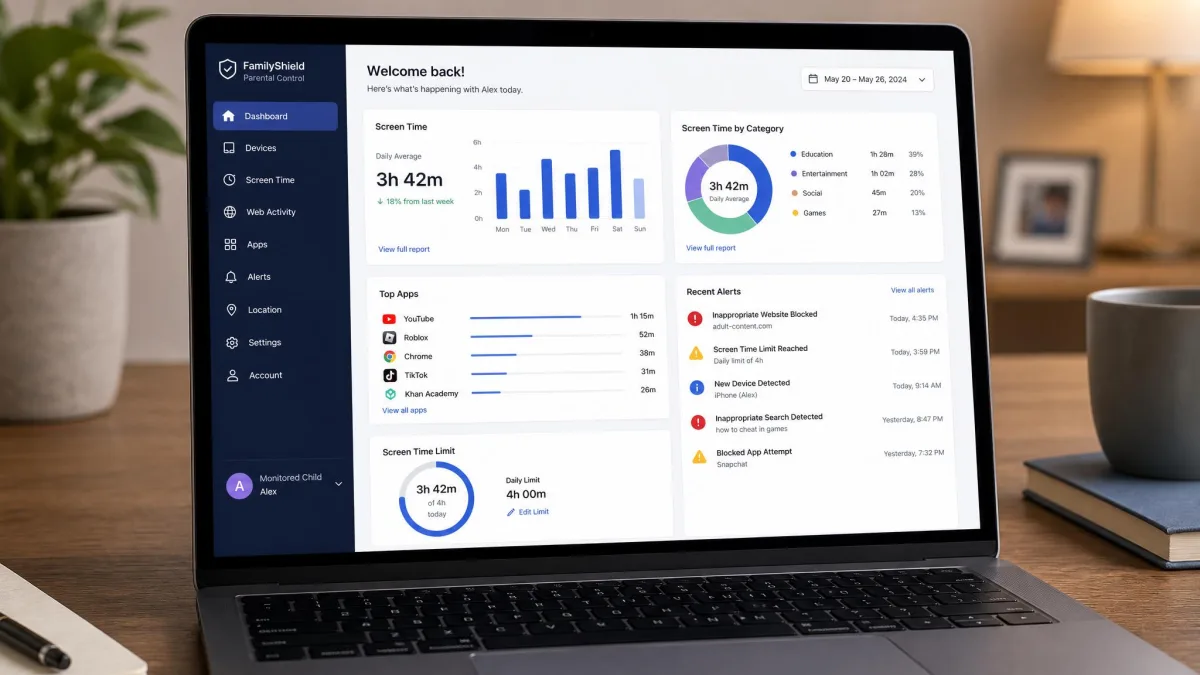
Parents have three broad options: free built-in controls, dedicated monitoring apps, and simple social agreements. Google Family Link and Apple Screen Time are free and can enforce screen-time limits, block apps, and filter web content, though they cannot read messages or analyze posts for warning signs. Paid apps close part of that gap: Bark scans text messages, email, and 30+ social apps and only alerts parents when something concerning is flagged, while Qustodio offers a dashboard with screen-time limits, per-app blocking, and a free one-device tier. See our guides on how parents can monitor Snapchat and what parents can see on parental controls for platform-specific help.

Legal Considerations for Parents Who Monitor
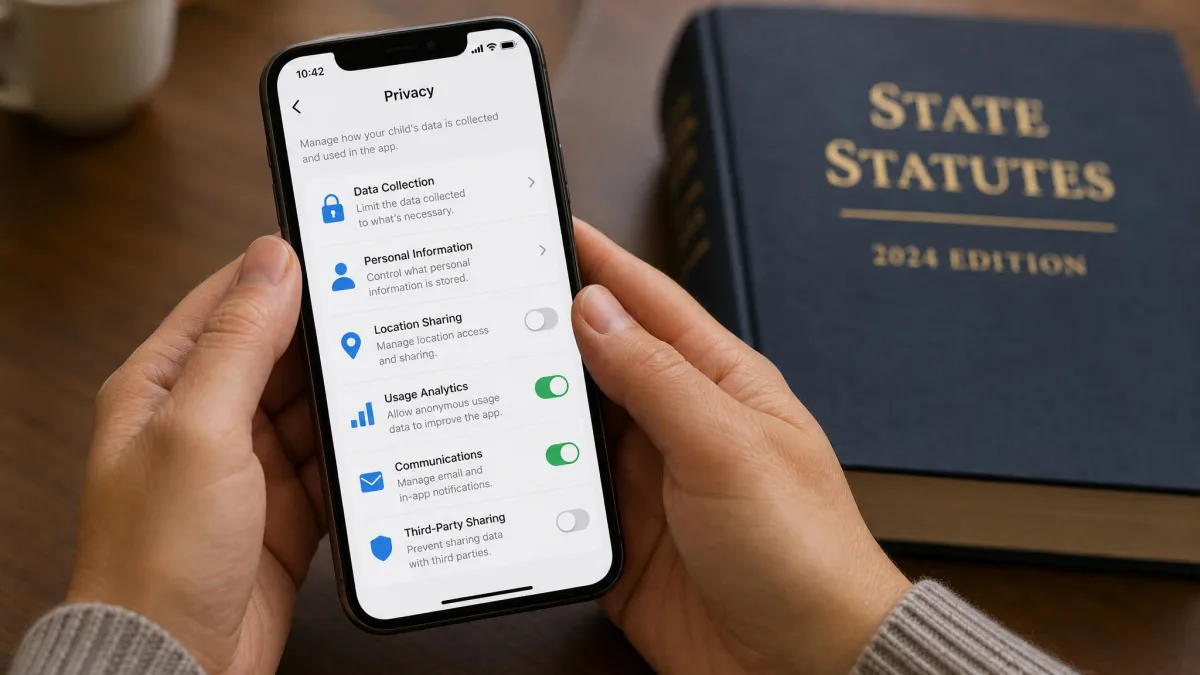
Most parents assume monitoring is simply allowed, and in the common case it is, but the law has more layers. Under federal wiretap law, intercepting a communication is lawful when you are a party to it or have consent, which covers a parent accessing their own child's accounts. Recording conversations is stricter: 38 states and D.C. are one-party consent states, while 11 states require everyone on the call to agree. Courts also recognize a vicarious consent doctrine that lets a parent consent for a minor child when acting in good faith. COPPA is why most platforms set a 13+ minimum age, with violations drawing FTC penalties up to $53,088, adjusted annually for inflation. State age-verification laws remain unsettled, so check your own state's rules and keep monitoring above board.
Frequently Asked Questions
Are there legal implications for parents monitoring social media?
Should parents disclose the monitoring to their children?
How can parents handle resistance from their children?
What are the long-term effects of constant monitoring?
How can parents balance safety with respect for a teenager's privacy?
What is the right age to stop monitoring?
What tools are available for parental monitoring?
The Bottom Line
Monitoring your child's social media is not a yes-or-no decision, and the evidence does not support either extreme. The pros are real: cyberbullying, predators, harmful content, and mental health risks justify adult awareness. The cons are just as real: trust, independence, and secretive behavior suffer when oversight becomes surveillance. The workable path is graduated and transparent: match monitoring to age and risk, pair every tool with open conversation, and taper as digital literacy grows. Start with free built-in controls and honest check-ins. Our guide on monitoring kids' phones without invading their privacy is a practical first step.