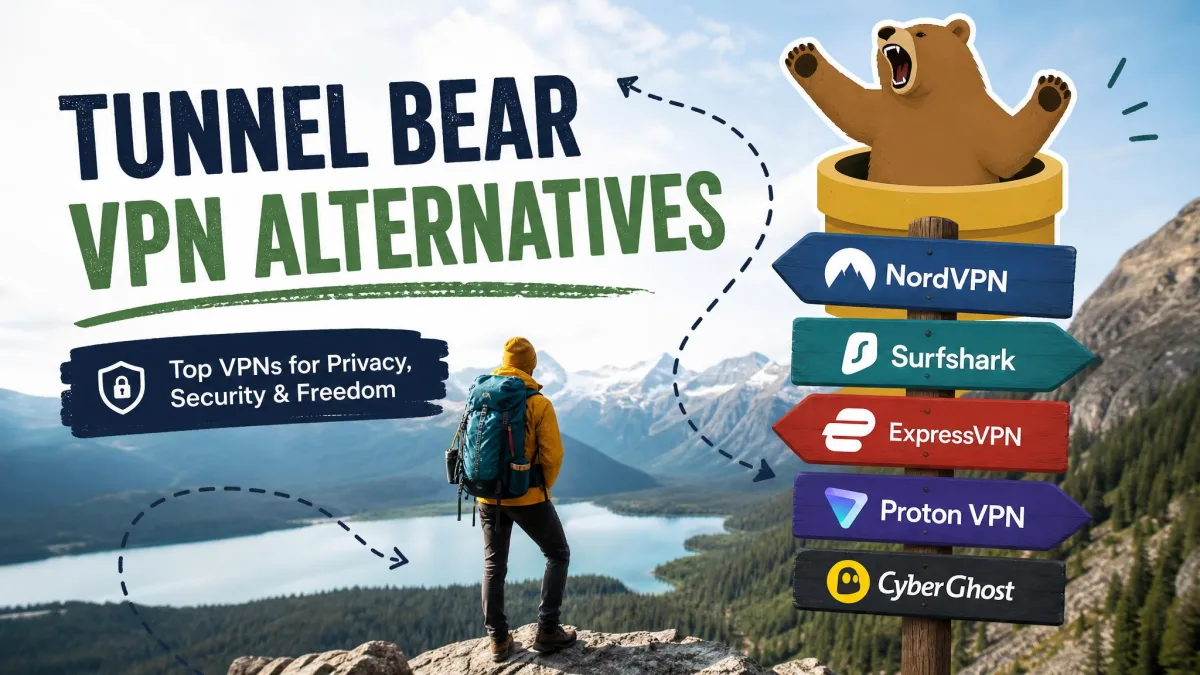
TunnelBear earned its following by making VPNs feel friendly. The apps are simple, the free tier needs no credit card, and the company publishes yearly independent security audits. That's more than many bigger names bother to do.
But TunnelBear has clear limits. The free plan stops at 2GB a month, the network is small, streaming access is patchy, and speeds sag once you connect to a distant server. Some privacy-minded users also want to know that it has been owned by McAfee since 2018.
If you've hit TunnelBear's data cap or want better streaming support, these are the alternatives we'd look at first. We compared every VPN on this list on speed, streaming and privacy, using the same criteria as our full reviews. The methodology section further down explains how.
Quick comparison: the best TunnelBear alternatives
Every alternative below scores higher than TunnelBear in our own reviews, and two of them (Proton VPN and Windscribe) offer a free plan you can keep using. The table puts all eight picks side by side, with TunnelBear in the last row as the baseline. Prices marked "about" are promotional rates that move with each provider's sales.
| Product | Buy | Best for | Free plan (data cap) | Starting price | Simultaneous connections | Standout feature |
|---|---|---|---|---|---|---|
 |
Check price → | Free plan | Unlimited data, 1 device, 10 countries | $9.99/mo; about $3.49/mo on 2 years | 10 (1 on Free) | Secure Core routing, open-source apps |
 |
Check price | All-round paid use | None | About $3.09-$3.49/mo on 2 years | 10 | Threat Protection Pro, Meshnet |
 |
Check price | Streaming | None | About $4.99/mo (12 months + 3 free) | 10 / 12 / 14 by tier | Lightway protocol, polished apps |
 |
Check price | Unlimited devices | None | $2.49/mo on 2 years | Unlimited | CleanWeb blocker, TV apps |
 |
Check price | Privacy and trust | None | EUR 5/mo flat | 5 | Anonymous account number, DAITA |
 |
Check price | Configurable free tier | 10GB/mo with email (2GB without) | $9/mo or $69/yr | Unlimited | Build-a-Plan, R.O.B.E.R.T. blocker |
 |
Check price | Budget | None | About $1.89/mo on 3 years | Unlimited | Port forwarding, open source |
 |
Check price | Beginners | None | $12.99/mo; about $1.99/mo on 2 years | 7 | Streaming-labeled servers |
 |
Beginners, light use | 2GB/mo, location chosen for you | $9.99/mo; from $3.33/mo on 3 years | Unlimited | Simple apps, yearly audits |
Why do people switch from TunnelBear?
People switch from TunnelBear because its free plan runs out fast and the paid service trails rivals on network size, streaming and speed. That doesn't make it a bad VPN. We score it 7.5/10 in our TunnelBear VPN review, and a lot of what it does well is worth keeping in mind as you compare.
Setup is about as simple as VPNs get. You install the app, pick a spot on the map, and connect, with sensible defaults already in place. It uses AES-256 encryption with OpenVPN and IKEv2 and pairs ChaCha20 with WireGuard. Our DNS, IPv6 and WebRTC leak tests came back clean, and a paid plan covers unlimited devices. TunnelBear also commissions annual independent security audits from Cure53, and its latest one is the eighth in the series.
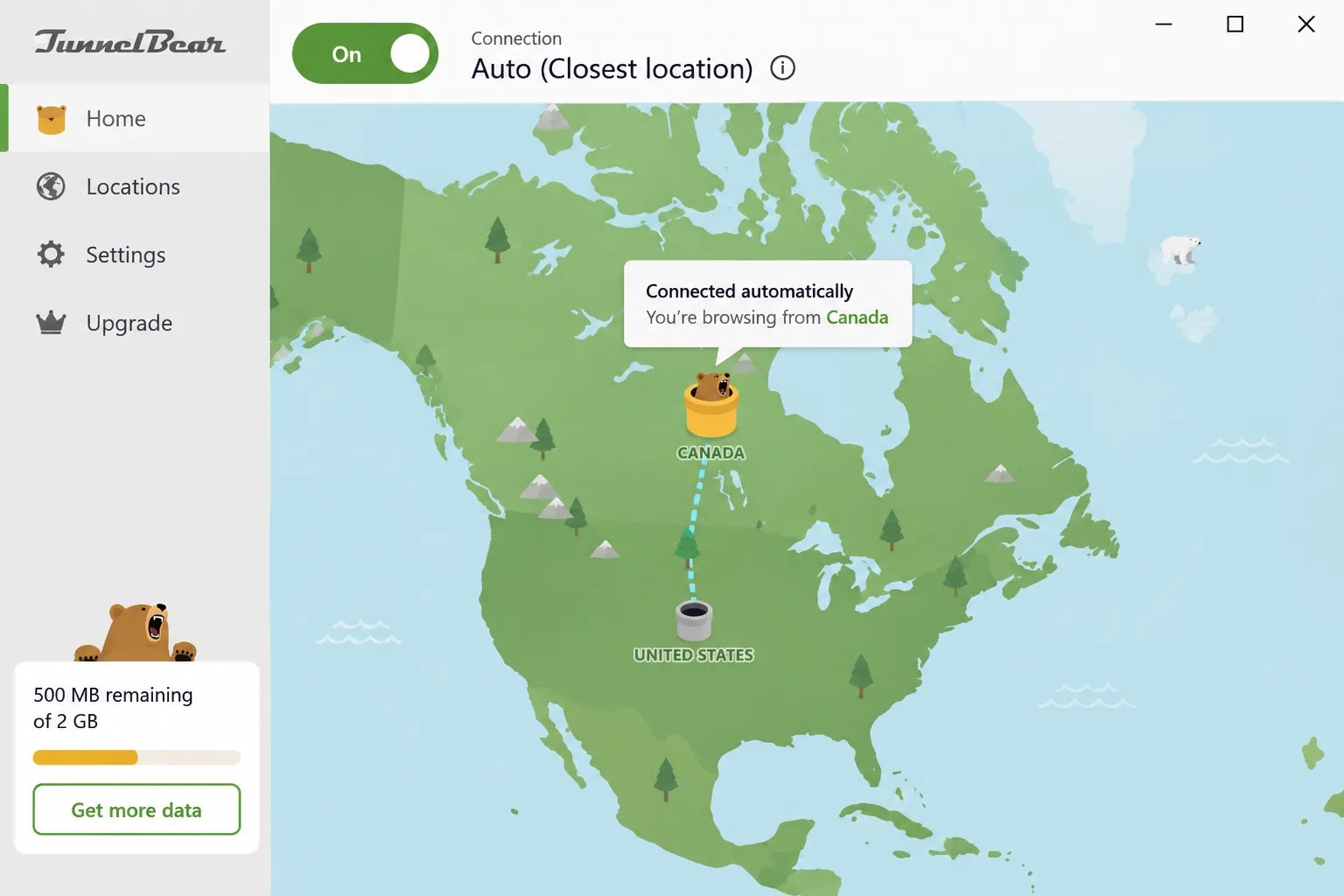
The free data cap is the first wall most users hit. TunnelBear's free plan is capped at 2GB a month, and in our testing that allowance was gone after an evening or two of video. It works as a trial or for light browsing, not for everyday use. The free plan also got tighter on January 26, 2026, when an update removed manual country selection and split tunneling for free accounts. Split tunneling lets you send some apps outside the VPN. Now the app connects you to the fastest server, usually the nearest one, so you can't reach another region's content without paying.
The network is the next issue. TunnelBear runs over 8,000 servers on hardware it owns, but they sit in only about 45 to 47 countries. Streaming was hit and miss for us. HBO Max and Peacock tended to work, while Netflix US, Prime Video, Hulu, Disney+ and BBC iPlayer were often blocked.
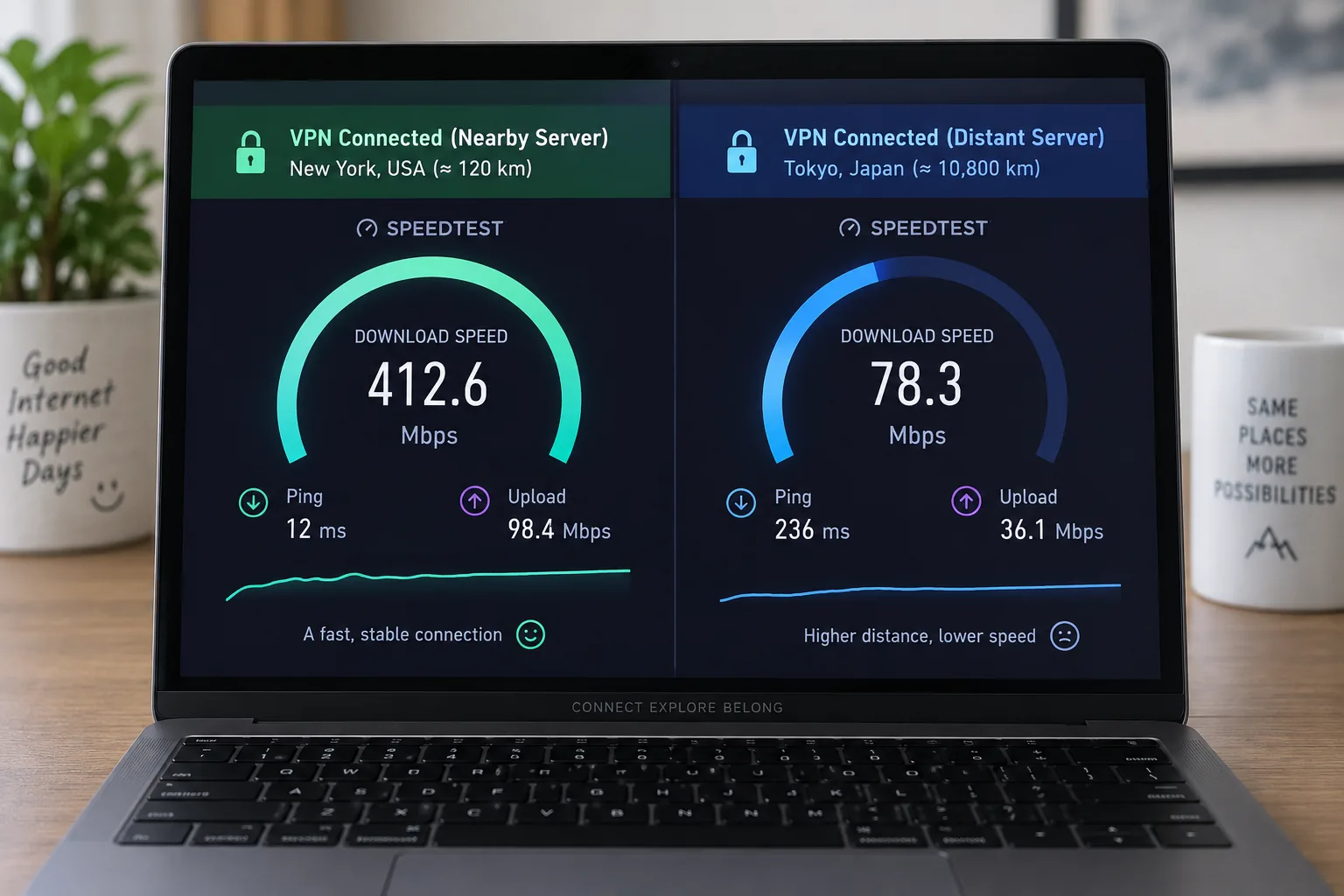
Speed depends heavily on distance and on your line. Nearby servers stayed close to our unprotected speed, with around 4 percent loss, but distant servers slowed down noticeably and latency climbed. On a faster connection the drop was much steeper, with downloads falling by roughly 45 to 53 percent. WireGuard is the protocol to use, because OpenVPN sometimes stalled or refused to connect for us.
Ownership comes up too. TunnelBear has belonged to McAfee since March 2018, yet still runs as a separate team under its own brand. Support runs through tickets only, and TunnelBear's platforms stop at Windows, macOS, iOS, Android and browser extensions, with no apps for routers, smart TVs, streaming sticks or consoles. It's easy to see why heavier users start looking elsewhere.
The best TunnelBear alternatives
These eight alternatives are ordered by the score each one earns in its full HTS review. The first two lead at 9.0/10, and the last two still sit at 8.4/10, well clear of TunnelBear's 7.5.
1. Proton VPN - best free TunnelBear alternative
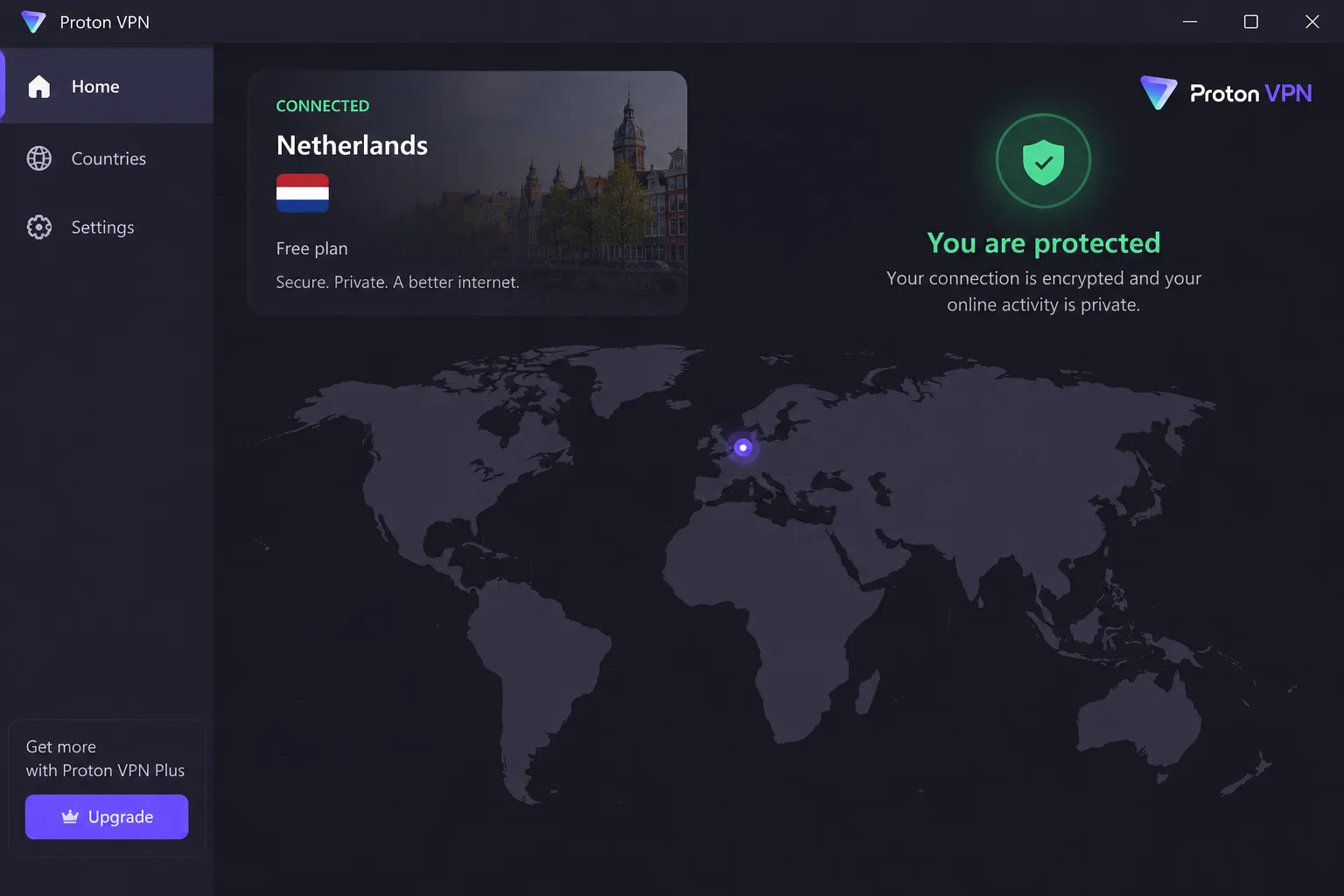
Proton VPN fixes TunnelBear's biggest weakness first: its free plan has no data cap at all. You also get no ads and no credit card requirement, so it is the closest like-for-like swap for a TunnelBear Free user who never planned to pay. The trade-offs are that Proton Free covers 1 device at a time and picks your server for you from 10 countries.
Installing it on our test machines took about two minutes, and the apps explain each setting in plain language rather than hiding it behind protocol names. On the free tier we saw no throttling and never ran into a data limit, the single biggest change from TunnelBear's 2GB monthly cap. When we moved to the paid plan, nearby servers cost us under 10 percent of our download speed. Netflix, Prime Video, BBC iPlayer, Disney+, HBO Max and Hulu all unblocked without server hopping, and leak tests across dozens of server countries showed no DNS, IPv6 or WebRTC leaks.
VPN Plus costs $9.99 on monthly billing, or $3.49 a month on the two-year plan. That rate moves with Proton's seasonal sales and renews at a different price. It covers 10 devices across 20,000+ servers in 140+ countries, with a 30-day money-back guarantee. Proton is based in Switzerland, and a Securitum audit in August 2025 concluded that it complies with its no-logs policy. You can read Securitum's 2025 no-logs audit report yourself. We score it 9.0/10 in our Proton VPN review.
Pros
- Free plan with no data limit and no ads
- Swiss jurisdiction and an audited no-logs policy
- Open-source apps with Secure Core and the NetShield ad blocker
Cons
- Free plan covers one device and picks the country for you
- No streaming or P2P on the free tier
- Live chat is not 24/7, and email replies can take about two days
2. NordVPN - best all-round paid alternative
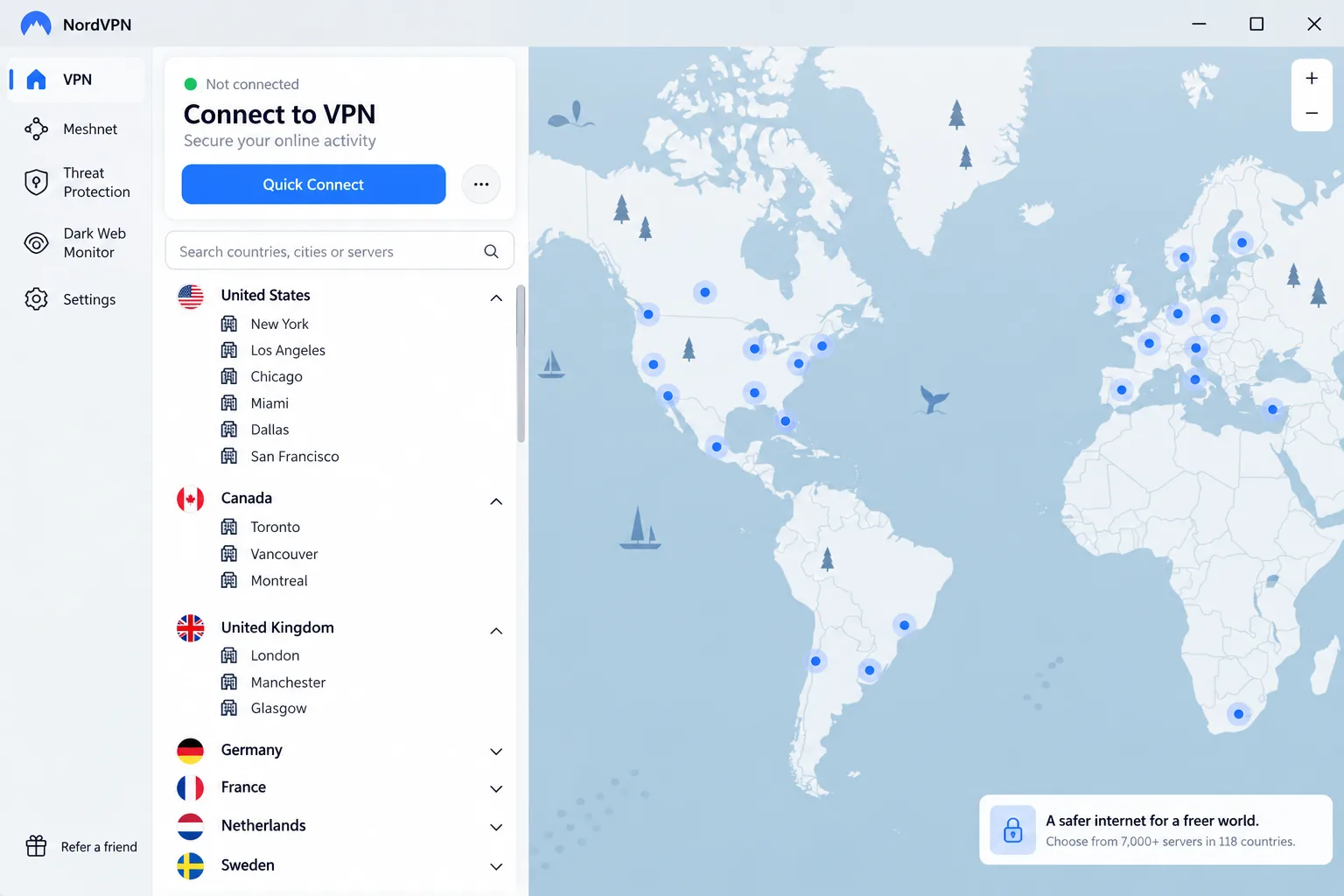
Where Proton VPN wins on its free plan, NordVPN wins as the paid service that does almost everything well. It has no free tier, but it fixes TunnelBear's speed and streaming problems most completely.
Speed was where NordVPN pulled furthest ahead of TunnelBear for us. On nearby servers we lost only single-digit percentages of download and upload speed, and 4K streams played without buffering. Netflix, Hulu, BBC iPlayer, Prime Video, Disney+ and HBO Max all unblocked reliably, and connections held without unexpected drops. When we forced the tunnel to fail, the kill switch (which cuts your internet if the VPN disconnects) blocked traffic as it should. One small annoyance: the desktop map needs zooming to reach city-level servers, so we used the list view instead.
The Basic plan runs about $3.09 to $3.49 a month on a two-year term, an introductory rate that moves with promotions and renews higher. It covers 10 devices and comes with a 30-day money-back guarantee. NordVPN is based in Panama, and Deloitte has now completed six no-logs assurance checks, the latest finishing in December 2025. It also adds RAM-only servers that wipe data on every reboot, post-quantum encryption, Double VPN and apps for Apple TV and Fire TV. TunnelBear offers none of these. We rate it 9.0/10 in our NordVPN review.
Pros
- Fast nearby servers with single-digit speed loss
- Reliable access to the major streaming services
- Six Deloitte no-logs checks and RAM-only servers
Cons
- No free plan
- Renewal charges land about two weeks before the term ends
- The map view is fiddly for picking cities
3. ExpressVPN - easiest switch for streaming
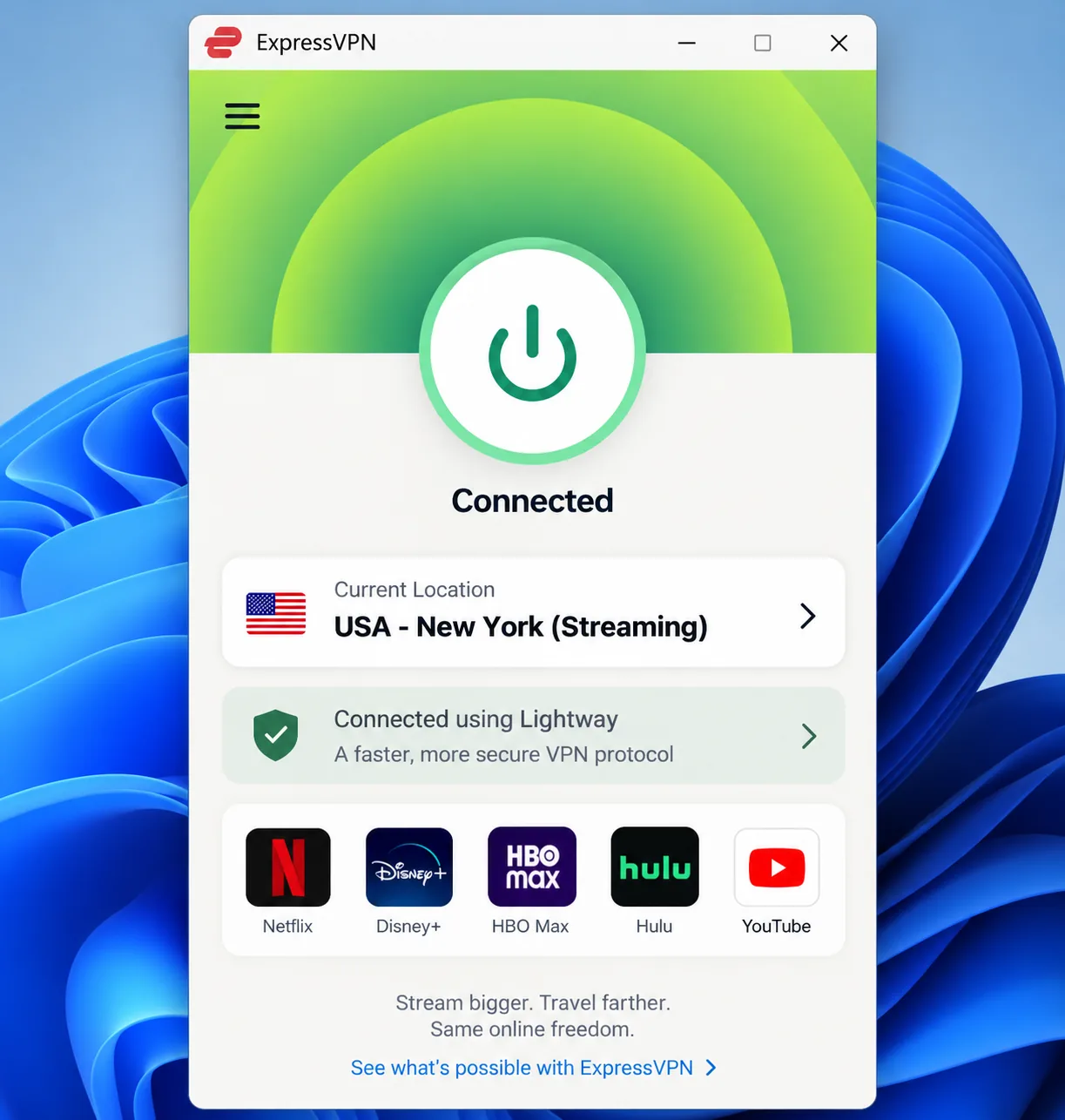
ExpressVPN is the closest match to TunnelBear's polish, with apps that feel even simpler to use. It costs more than NordVPN, though, and its strength is streaming rather than raw speed.
Its apps were the most polished of the group in our hands. Netflix libraries in several countries, ESPN+ and Hulu all streamed without issues, which is a big step up from TunnelBear's hit-and-miss results. Speed was the trade-off: downloads fell by roughly 37 to 39 percent on nearby servers, more than we saw with NordVPN or Proton VPN. Network Lock, ExpressVPN's kill switch, fired correctly each time a server timed out or our network changed.
Pricing depends on the current promotion, so check the order page for the featured term. Basic is $4.99 a month on a 12-month term with 3 months free. Annual renewal is $99.95 for Basic, and the device allowance rises from 10 on Basic to 14 on Pro. Every plan has a 30-day money-back guarantee. ExpressVPN covers 113 countries, runs on RAM-only TrustedServer hardware, and had its privacy policy assessed by KPMG in 2025. See our ExpressVPN review for the full 8.8/10 breakdown.
Pros
- The most polished apps we tested
- Strong streaming across several Netflix regions, Hulu and ESPN+
- Network Lock kill switch works reliably
Cons
- Costs more than NordVPN and Surfshark on comparable terms
- Larger speed loss on nearby servers than the top two picks
- Email support can take close to two days
4. Surfshark - best for unlimited devices
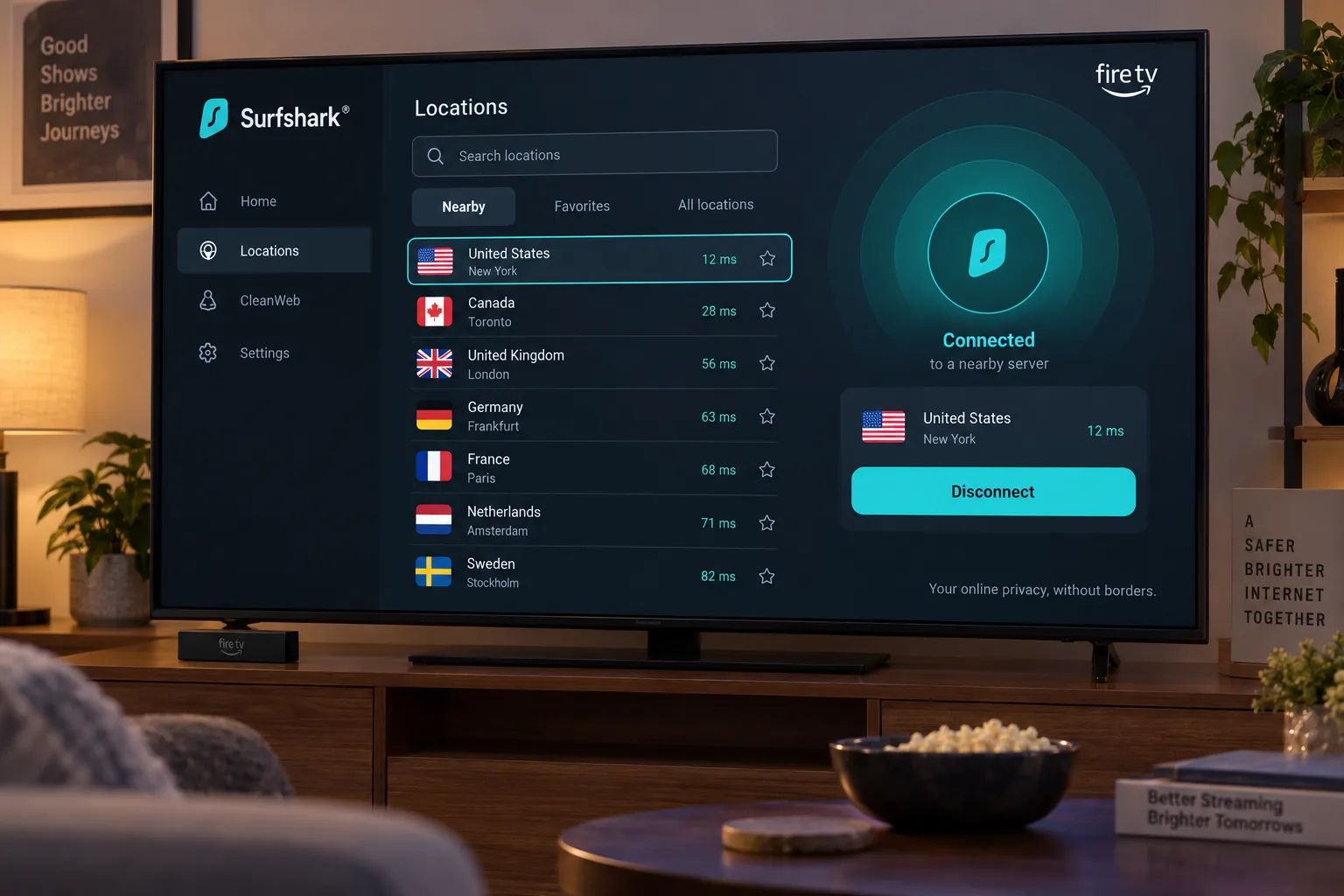
Where ExpressVPN charges more for polish, Surfshark costs less and, like TunnelBear, puts no limit on how many devices you connect at once. Unlike TunnelBear, it backs that up with a far wider network (100 countries against TunnelBear's 45 to 47) and native apps for the TV in your living room.
The TV apps are where Surfshark felt most different from TunnelBear. Setup on Android TV, Apple TV and Fire TV was painless, while TunnelBear has no TV apps at all. Netflix worked across regions without VPN detection. Our download speed dropped about 17 percent on Windows and about 31 percent on macOS, with steady latency on both. The kill switch cut internet access instantly when we dropped the VPN connection.
The Starter plan costs $2.49 a month on the two-year term and renews at $79 a year, with a 30-day money-back guarantee. You get 4,500+ servers in 100 countries, the CleanWeb ad and tracker blocker, and Bypasser split tunneling. Surfshark is based in the Netherlands, and Deloitte confirmed its no-logs policy in 2023 and again in 2025. We give it 8.6/10 in our Surfshark review.
Pros
- Unlimited devices on every plan
- Native apps for Android TV, Apple TV and Fire TV
- Netflix works across regions
Cons
- No free plan
- Bigger speed drop on macOS than on Windows
- Renewal costs well above the introductory rate
5. Mullvad VPN - best for privacy and trust
Where Surfshark spreads one account across every device you own, Mullvad VPN is built around trust. It's the alternative to pick if TunnelBear's ownership is the reason you're leaving. It asks for less personal information than any other VPN on this list.
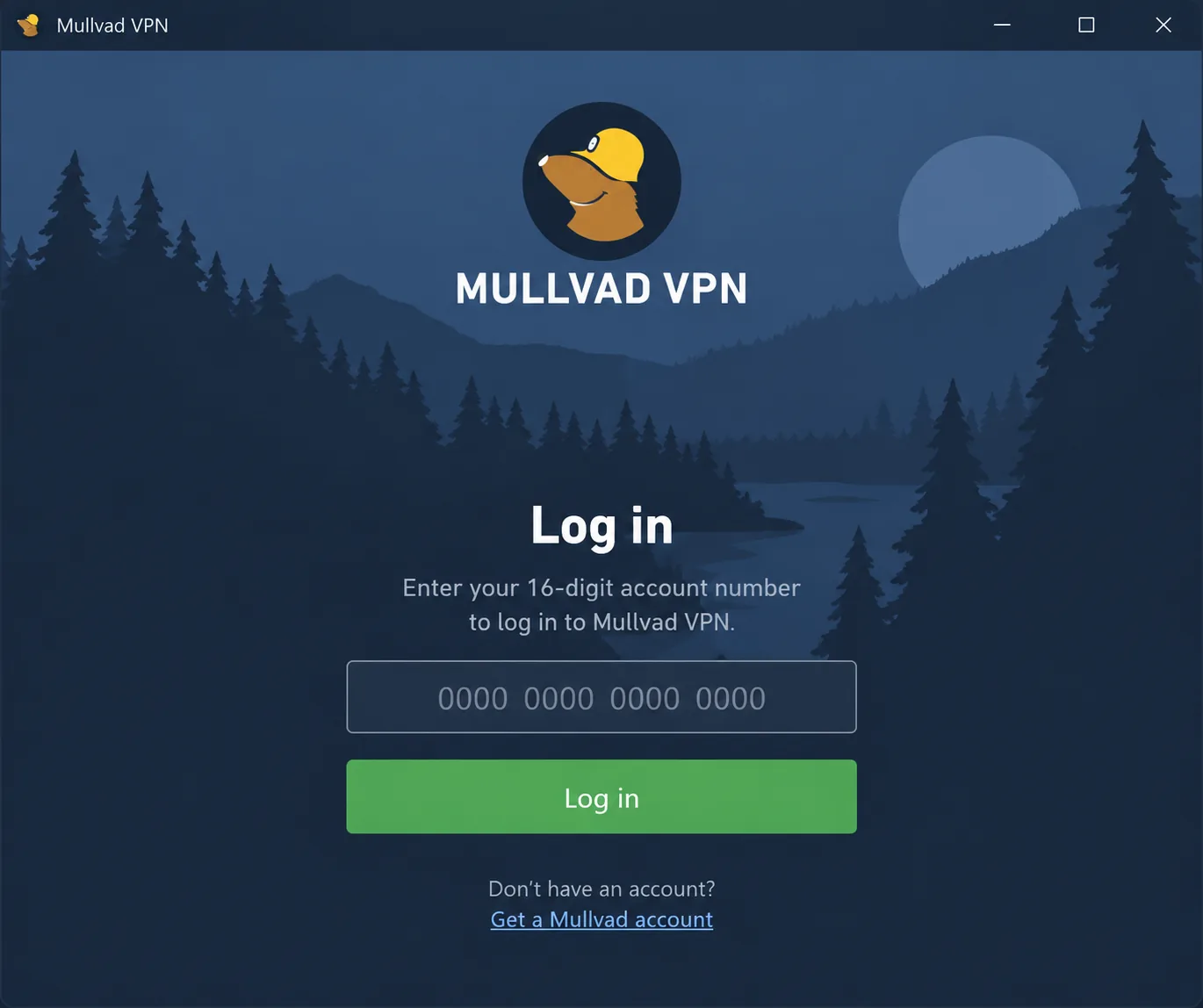
Signing up took us seconds. Mullvad generates a random 16-digit account number that serves as your only login, with no email, username or password. On local servers we lost only around 6 percent of our speed, though distant servers slowed downloads noticeably. Streaming was hit or miss, with some servers reaching Netflix and others getting detected, so this isn't the pick for a streaming-first user.
Mullvad charges a flat EUR 5 a month whatever term you choose, with 10% off for crypto, and it accepts cash. That covers up to 5 devices, and there's a 14-day money-back guarantee (cash payments excluded). The company is based in Sweden and has passed more than ten independent audits. A 2023 Swedish police raid found no user data to seize. It now runs WireGuard only, adds DAITA (which disguises traffic patterns), multihop and obfuscation, and ships open-source apps. Our Mullvad VPN review scores it 8.5/10.
Pros
- Anonymous sign-up with a random account number
- Flat monthly price with no long-term lock-in
- Long audit record and a police raid that found no data
Cons
- No free plan or trial
- Streaming access is inconsistent
- Email-only support, with replies in hours rather than minutes
6. Windscribe - best configurable free tier
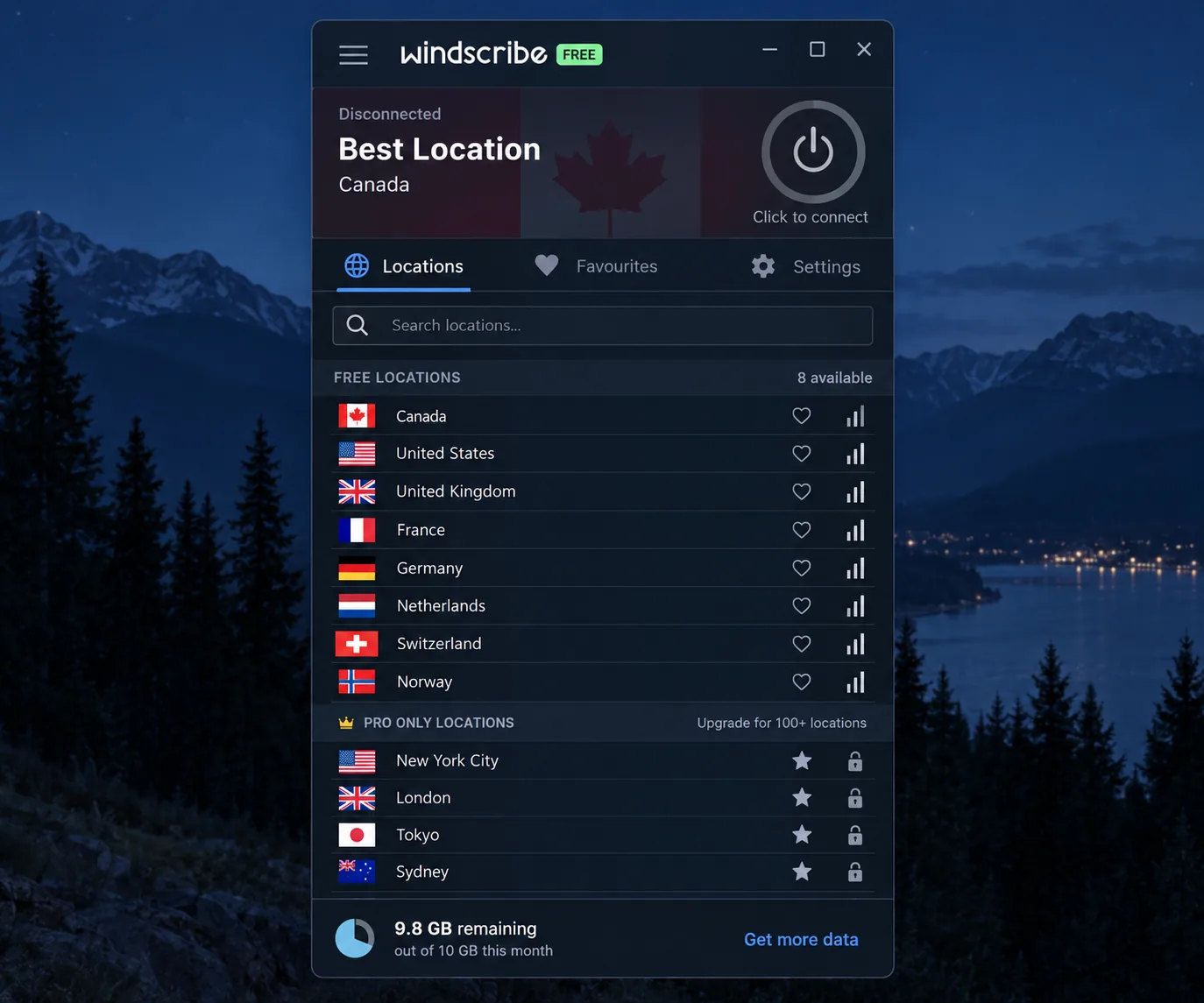
Windscribe is the second free option on this list, and it gives you more control than Proton VPN's free plan. It allows 2GB a month without an email address. Confirm one and you get 10GB a month, five times TunnelBear's free allowance.
What stood out to us on the free tier was how little it held back. The free plan kept the full feature set, including the R.O.B.E.R.T. ad and tracker blocker and the firewall that works as a kill switch. It also let us choose the free location ourselves. Free servers ran at roughly the same speeds as Pro. At busy moments, though, congestion caused sudden drops of up to 90 percent. Netflix access was inconsistent and mostly limited to US and UK libraries, especially on distant servers.
Free users get servers in about 10 countries, though Windscribe rotates which locations are free. Pro costs $9 a month or $69 a year and opens up 69+ countries. Build-a-Plan lets you pay $1 per location per month, with a $3 minimum. Every plan, free included, allows unlimited devices. Windscribe has no formal no-logs audit, but a Greek court dismissed charges against its CEO on April 11, 2025, accepting that the company held no user logs. We rate it 8.5/10 in our Windscribe review.
Pros
- Five times TunnelBear's free data once you add an email
- Free users can pick their own location
- Unlimited devices, even on the free plan
Cons
- Congestion can cut free-server speeds sharply
- Netflix access is inconsistent
- No formal third-party no-logs audit
7. Private Internet Access - best budget pick
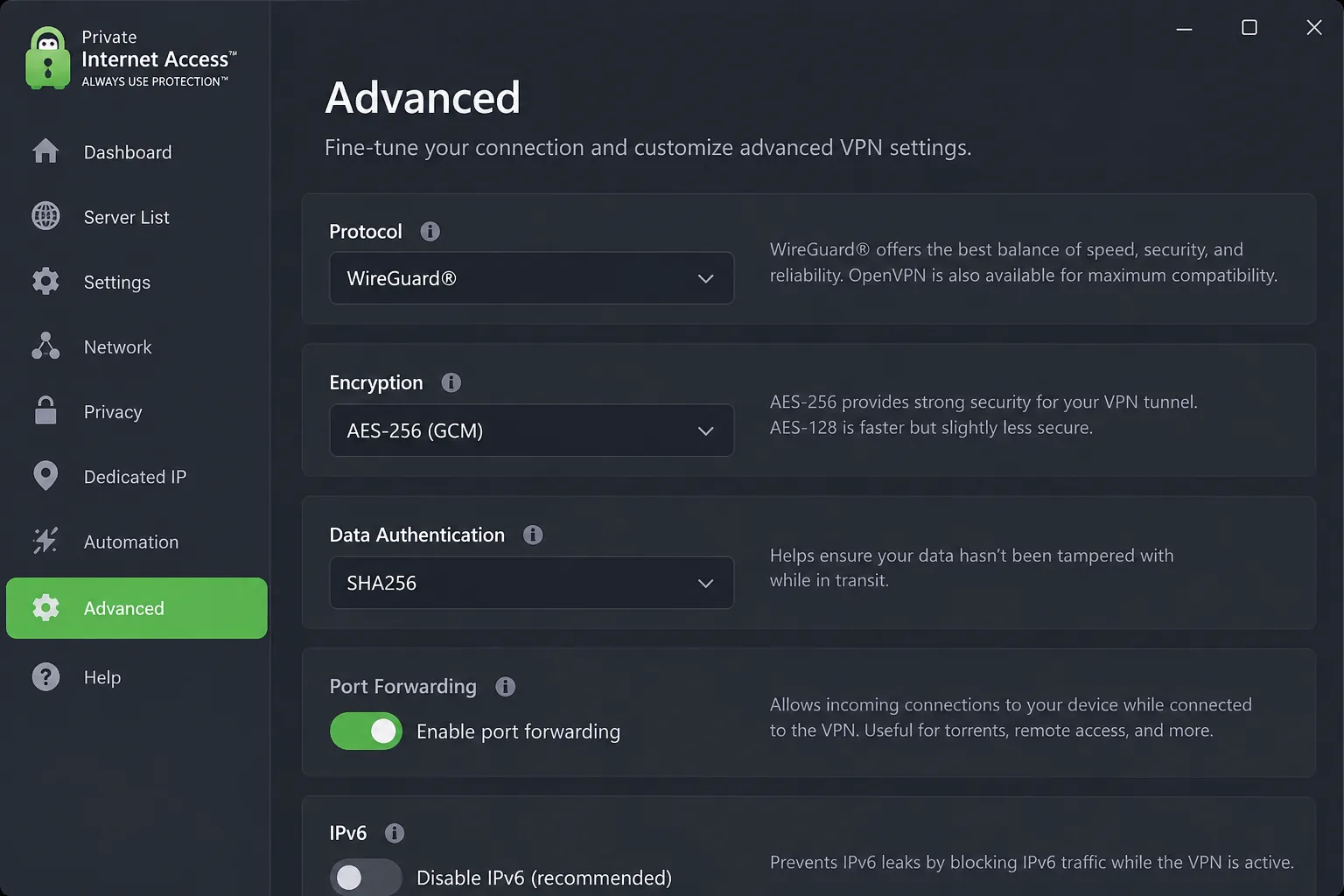
Private Internet Access (PIA) costs less over three years than any other paid pick here, and it gives power users the settings TunnelBear leaves out. It's the right choice if price and control matter more than streaming.
Speed loss was small in our testing, about 4 percent on local servers and 18 percent on international ones. At first the desktop app's long settings list felt overwhelming, but once we had tuned it the way we wanted, it became easy to use. Streaming was the weak spot. US and UK Netflix no longer unblocked, and Disney+ and Hulu detected the VPN.
The three-year plan works out to about $1.89 a month, though PIA rotates its long-term deal price and bonus months often. Month-to-month billing is $11.95, and every plan allows unlimited devices with a 30-day money-back guarantee. PIA advertises servers in about 104 countries and adds port forwarding, a native Linux app and a dedicated IP option. It is based in the United States and owned by Kape Technologies. Deloitte completed PIA's third no-logs assurance check in December 2025. Our PIA review scores it 8.4/10.
Pros
- Lowest long-term price on this list
- Small speed loss on local and international servers
- Unlimited devices and port forwarding
Cons
- Weak streaming access
- The settings list can overwhelm beginners
- US jurisdiction
8. CyberGhost - best for beginners
If PIA rewards tinkerers, CyberGhost is the pick for TunnelBear fans who mainly loved how easy it was. It keeps the beginner-friendly feel while fixing the streaming gap that sends many users looking elsewhere.
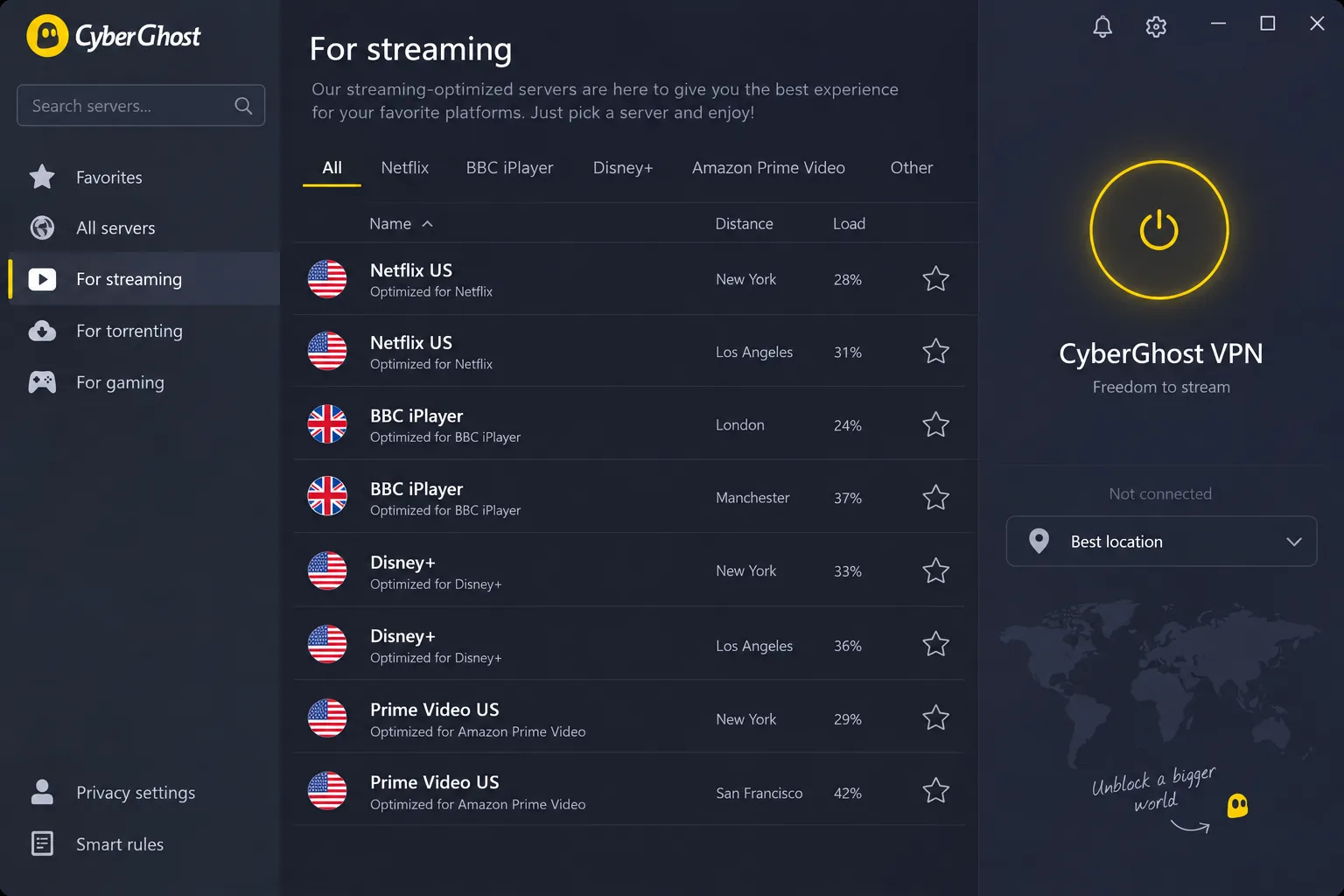
Setup was quick and simple for us, and switching protocols on desktop took about four seconds. Netflix US, BBC iPlayer, Disney+ and Prime Video all unblocked on the first try through its dedicated streaming servers, which are labeled by service. Nearby servers lost little speed (roughly 5 to 19 percent), but long-distance servers dropped by about 44 to 59 percent. The Windows app looks dated next to newer rivals, while the mobile apps are cleaner.
CyberGhost costs $12.99 on monthly billing, or about $1.99 a month on the two-year plan with two bonus months. That rate shifts with its rotating promotions. It covers 7 devices and servers in 100+ countries. The 45-day money-back guarantee on longer plans is the most generous on this list, although the monthly plan gets 14 days. The company is based in Romania, owned by Kape Technologies, and completed its third Deloitte no-logs check in late 2025. It stands out for offering 24/7 live chat, which TunnelBear lacks. We score it 8.4/10 in our CyberGhost review.
Pros
- Streaming servers labeled by service
- Beginner-friendly setup
- 45-day money-back guarantee on longer plans
Cons
- No free VPN plan
- Big speed drops on long-distance servers
- Windows app looks dated
What is the best free TunnelBear alternative?
Proton VPN is the best free TunnelBear alternative, because its free plan has no data cap and no ads. Windscribe is the better choice if you want to pick your own server location and don't mind a monthly limit.
The difference comes down to what you'd rather give up. Proton Free gives you unlimited data on 1 device, but it assigns your server from 10 countries. TunnelBear Free has had the same restriction since January 2026. Windscribe Free lets you choose from about 10 countries, works on unlimited devices and keeps its ad blocker, but stops at 10GB a month. Both are ad-free, and neither is meant for streaming. TunnelBear's 2GB still trails both of them.
For more options beyond these two, our roundup of the best free VPN alternatives covers other no-cost services we'd trust.
A free VPN still sees all of your online traffic, so the business behind it matters. Stick with providers that publish a no-logs policy, explain how they pay for the free tier, and have that policy checked by an outside auditor or a court.
How did we choose these TunnelBear alternatives?
We chose these alternatives by judging every VPN against the same criteria we use in our full reviews, then ranking them by the score each one earned. TunnelBear went through the same process, which is how we know where it falls short.
Speed came first. We measured how much download speed each VPN cost us. Because TunnelBear's results changed sharply with distance, we compared nearby and distant servers wherever we tested both. Next we looked at leak protection and kill-switch behavior. We ran DNS, IPv6 and WebRTC leak tests as part of our TunnelBear and Proton VPN checks, and where we tested a kill switch, we forced the tunnel to drop to see whether it actually cut traffic. Then we tried the major streaming services, including Netflix, Prime Video, Disney+, Hulu and BBC iPlayer, to see which ones unblocked and which detected the VPN.
For the free picks, we looked closely at data caps, server choice and whether the free tier held back key features. We also compared each provider's jurisdiction, independent audits, device limits, refund terms and platform coverage, since these are the areas where TunnelBear users most often feel boxed in.
Final verdict
TunnelBear is still a good first VPN, but most users outgrow it once they need more data, more locations or reliable streaming. Which alternative fits depends on why you're leaving.
If the free cap pushed you out, start with Proton VPN, or Windscribe if you want to choose your own location. If you're ready to pay, NordVPN is the most complete upgrade. Streaming fans will be happiest with ExpressVPN or CyberGhost, and households with lots of devices should look at Surfshark. Mullvad VPN suits anyone who left because of ownership and privacy concerns, and PIA is the low-cost option for tinkerers.