Most of us spend a big part of every day on screens, so it is fair to wonder when it becomes a problem. The honest answer is that there is no single number for kids and teens or for adults. It depends on age, on what you are doing, and on what that screen time replaces.
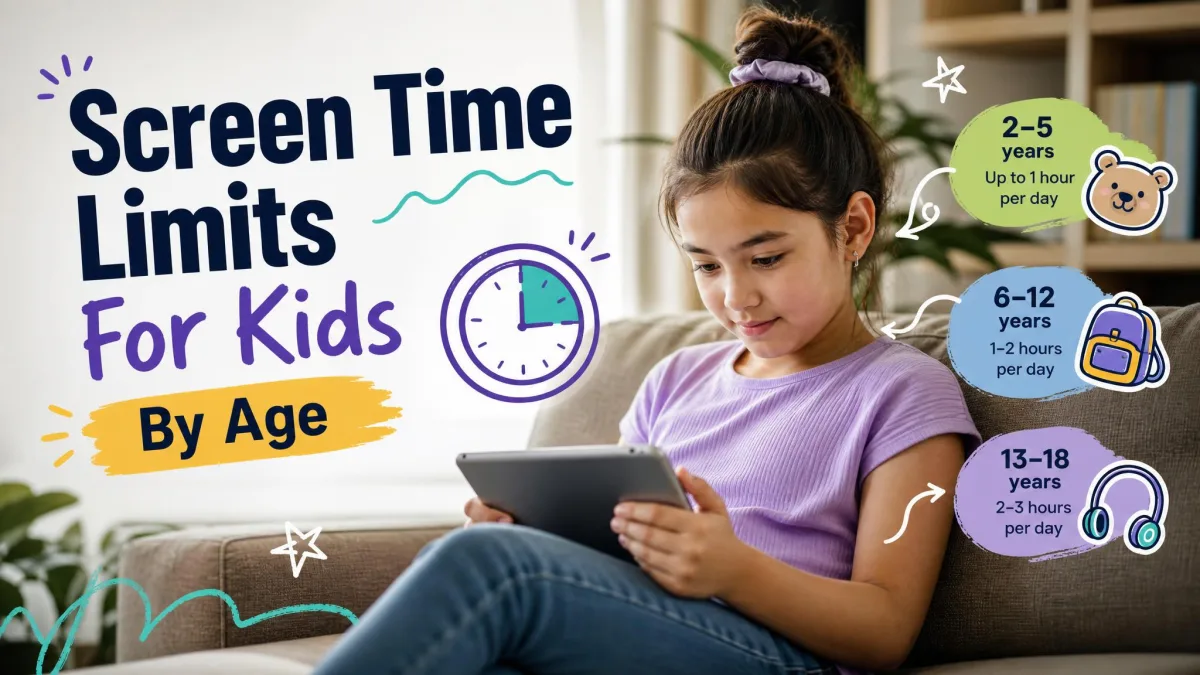
For young children, the American Academy of Pediatrics gives clear age guidance: no screens before 18 months and about one hour a day of high-quality content for ages 2 to 5. For older kids and teens, health experts often use about two hours of recreational screen time a day as a rule of thumb rather than a hard limit.
There is no official daily screen-time limit for adults. The two-hour benchmark covers recreational use outside work or school, so a workday at a desk does not count against it. What matters most is whether screens are crowding out your sleep, movement and time with other people.
How much screen time do people actually get?
DataReportal's global overview, checked in November 2026, puts the average internet user at 34 hours 16 minutes a week of online media, or about 4.9 hours a day. DataReportal notes that people often use several media at once, so the figure may run high.
Teens spend even more of their day online. Pew Research Center's 2024 teen survey of 1,391 US teens found that 46% say they are online almost constantly. An older Common Sense Media report from 2015 found teens averaged nine hours of entertainment media a day, not counting school or homework.
What counts as screen time (and why not all of it is equal)
Screen time is any time spent on a phone, tablet, computer, TV or game console. Not all screen time is the same, though. A video call with grandparents and an hour of endless scrolling both count, yet they affect you very differently.
That is why the AAP has moved away from measuring screen time by the clock alone. It weighs content quality, whether a parent watches along, and whether screens crowd out sleep, exercise, homework and time with people. Work and school use is usually treated separately, because you rarely get to choose it.
Recommended screen time by age
Kids and teens
The American Academy of Pediatrics' updated screen time recommendations, summarized by CHOC in 2026, break down like this:
- Under 18 months: no screens.
- 18 months to 2 years: summaries disagree on where this line falls, so keep any use small, high quality and shared.
- Ages 2 to 5: about one hour a day of high-quality content.
- Ages 6 and up, including teens: no fixed number; set consistent family limits that leave room for homework, friends, exercise and sleep.
The NHLBI adds that screen time at home should be limited to two hours or less a day, and it asks parents to model the same limit. For each band in detail, see our full AAP screen time chart by age.
Adults
There is no official daily screen-time limit for adults. The most common benchmark is about 2 hours a day outside work or school, borrowed from the same NHLBI guidance. Work hours are counted separately because a spreadsheet is not the kind of passive, late-night use linked to poor sleep. What matters most is the leisure time you add on top.
What too much screen time does to you
Research on screen time mostly finds associations rather than proof of cause, but a few effects show up again and again.
Sleep
Sleep is usually the first thing to suffer. Screen light can delay the release of melatonin, and the AAP advises avoiding screens for at least an hour before bed. In our experience, sleep is also the clearest signal that a teen's use has gone too far, because problems appear as soon as late-night scrolling eats into rest.
Eyes, posture, and physical health
Long sessions leave eyes dry, blurry and achy. People normally blink about 15 times a minute, but the American Academy of Ophthalmology's guidance on computer use notes that this drops to 5 to 7 times a minute on screens. The discomfort passes and does not cause lasting damage. Sitting about 25 inches from the screen and getting up to move both help.
Try the American Academy of Ophthalmology's 20-20-20 rule: every 20 minutes, look at something at least 20 feet away for 20 seconds.
Mental health and attention
A 2023 review linking excessive screen time to mental health problems in adolescents found an association, though most studies showed small effects. Harm thresholds vary between studies and by sex and outcome, so no single number of hours marks where the damage starts. Content and purpose may matter more than total time, and fast-paced feeds make it harder to stay focused afterward.
Social and language development in kids
Young children learn language through real back-and-forth conversation, and kids' shows that pause for a response are no substitute. Handing a toddler a screen to head off a tantrum works in the moment, but it tends to become a habit that is harder to break.

Signs your screen time has become too much
The earliest warning signs are practical ones rather than a number on a report:
- Trouble falling asleep or waking up tired
- Headaches, eye strain or a stiff neck
- Irritability when you put the phone down
- Losing interest in offline hobbies, friends or exercise
- Picking up the phone without deciding to, then losing track of time
How to cut back on screen time
Small, steady changes are a better route to a healthy balance than a dramatic detox.
For adults
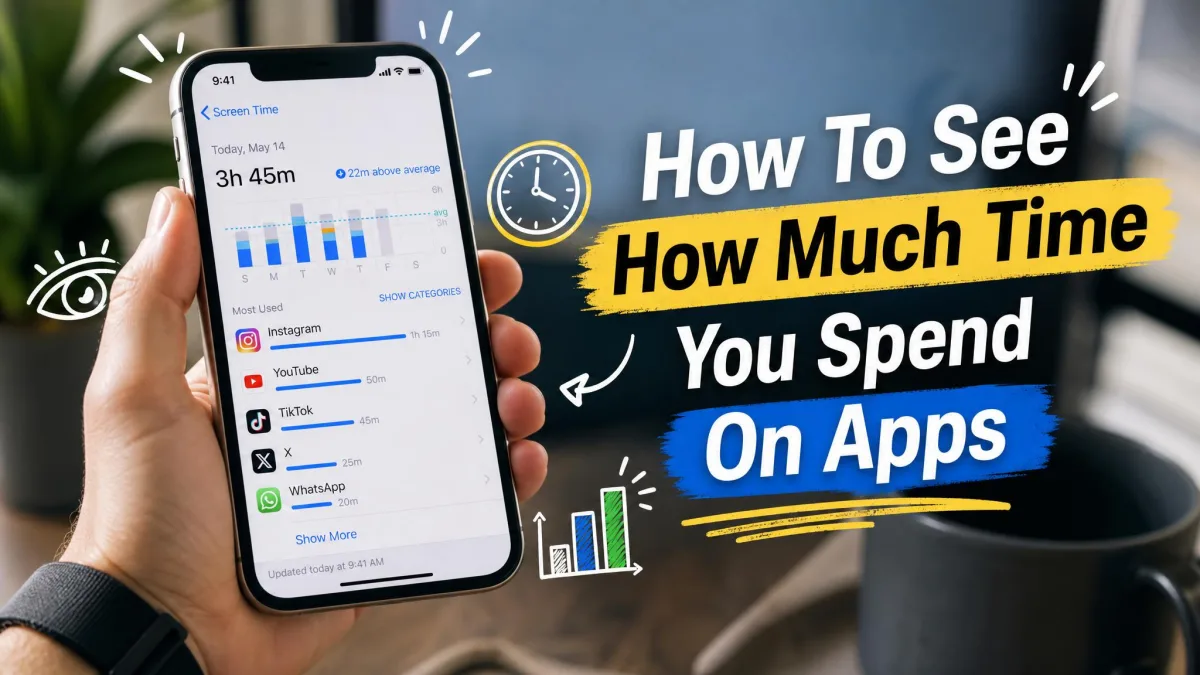
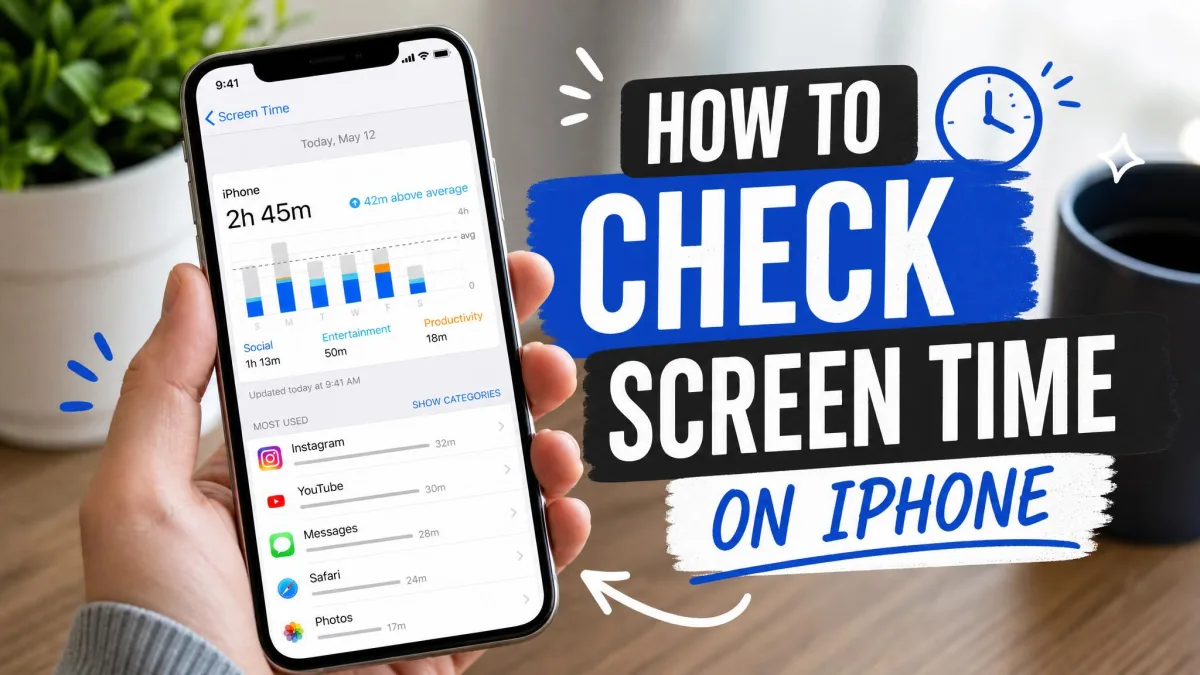
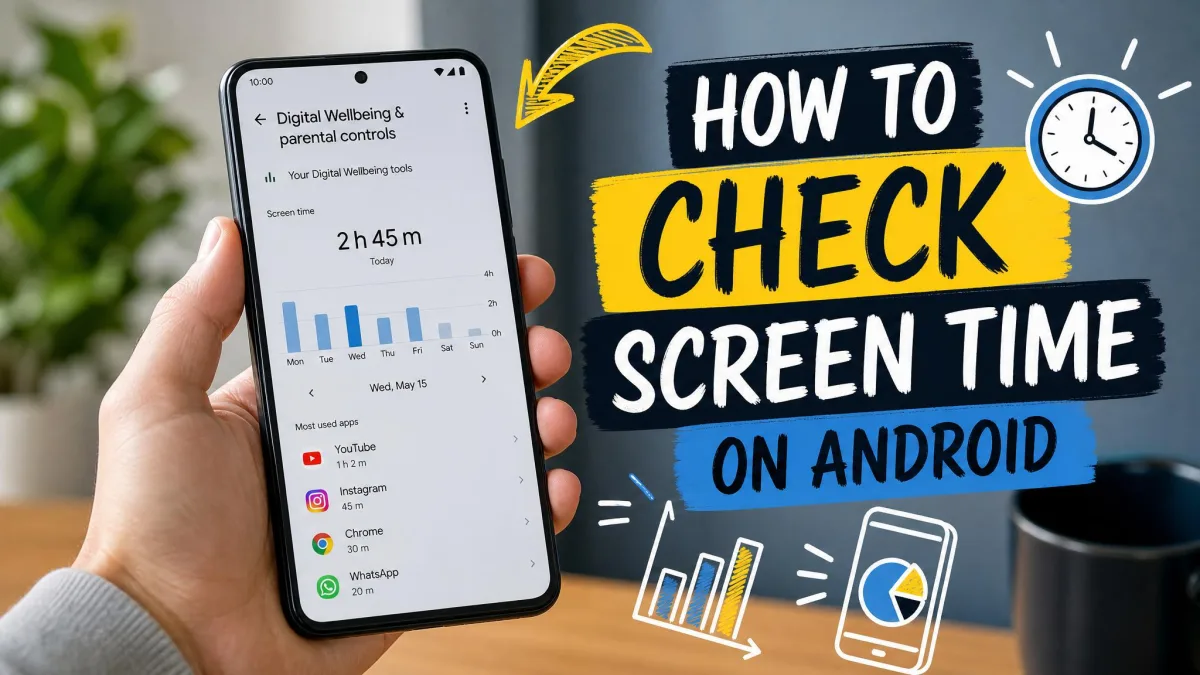
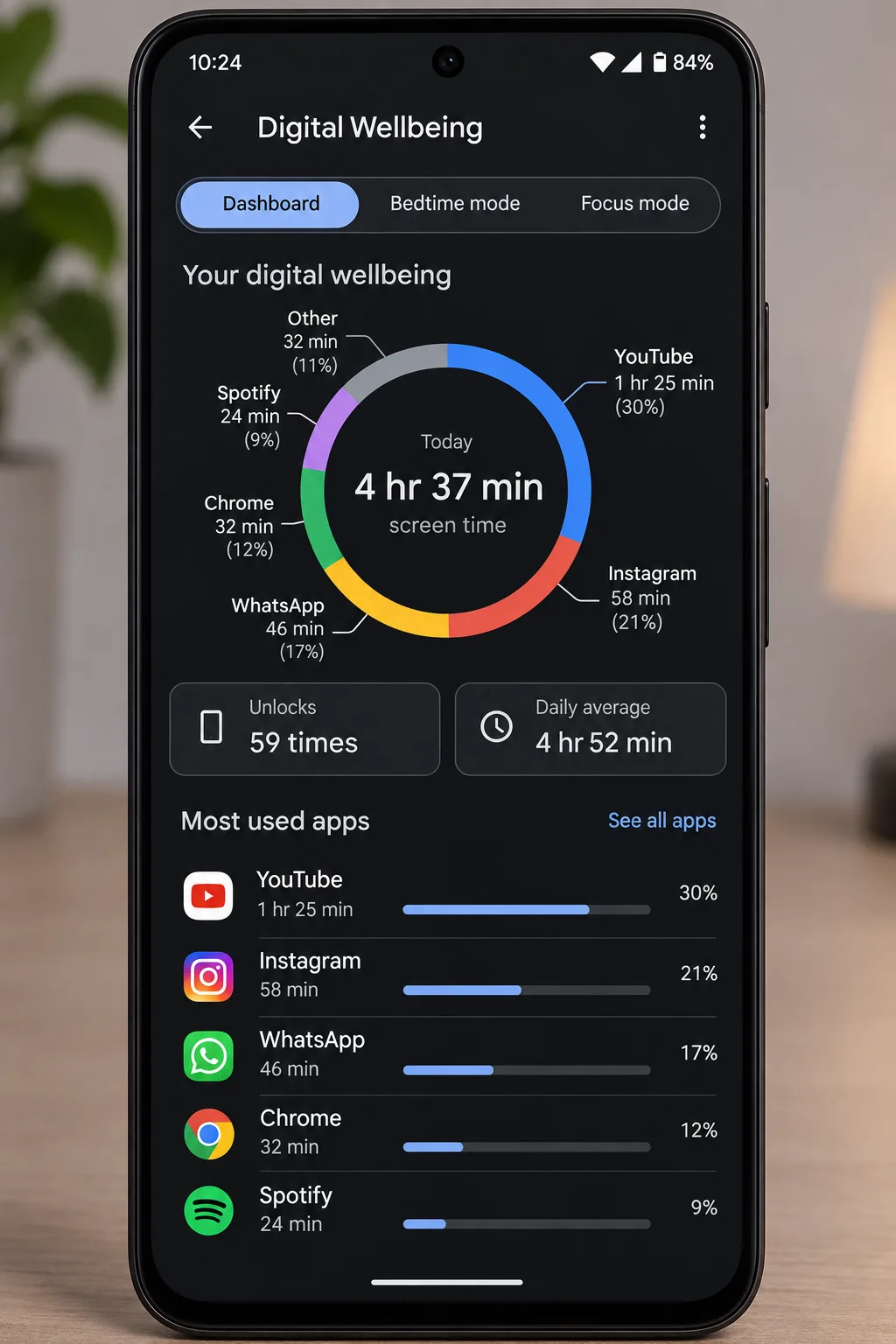
Start with a self-check, since work and social obligations push most adults online for longer than they realize. Open Settings > Digital Wellbeing on Android, or check the Screen Time report on your iPhone, and look at your weekly total. We cover how to see how much time you spend on apps on every major device.
- Halve one problem app first. A partial cut on your most-used app is a realistic start.
- Watch for swaps. Cutting back fails quietly when you trade TikTok for YouTube.
- Make limits hold. We found a self-set iPhone App Limit easy to wave off, because Ignore Limit adds 15 more minutes with one tap. Deleting an Android app timer brings the app straight back too.
- Protect mornings and bedtimes. Charge the phone outside the bedroom, and keep the first hour after waking screen-free. A scheduled grayscale Bedtime mode also makes late-night scrolling far less tempting.
For kids and teens
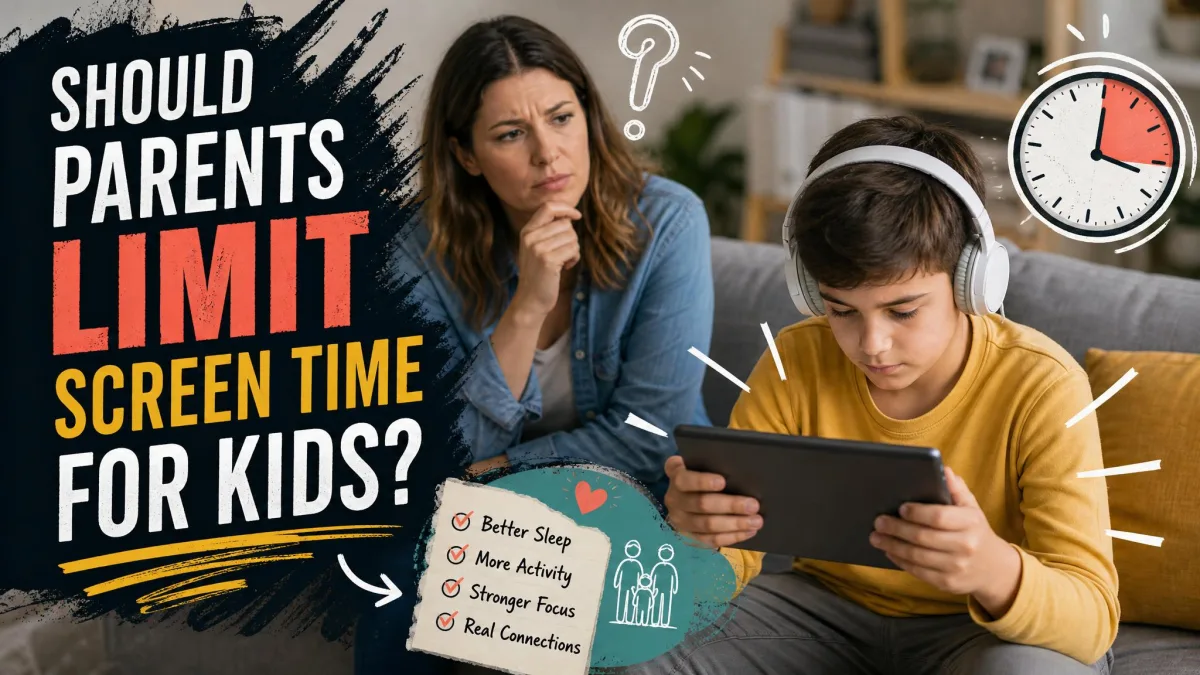
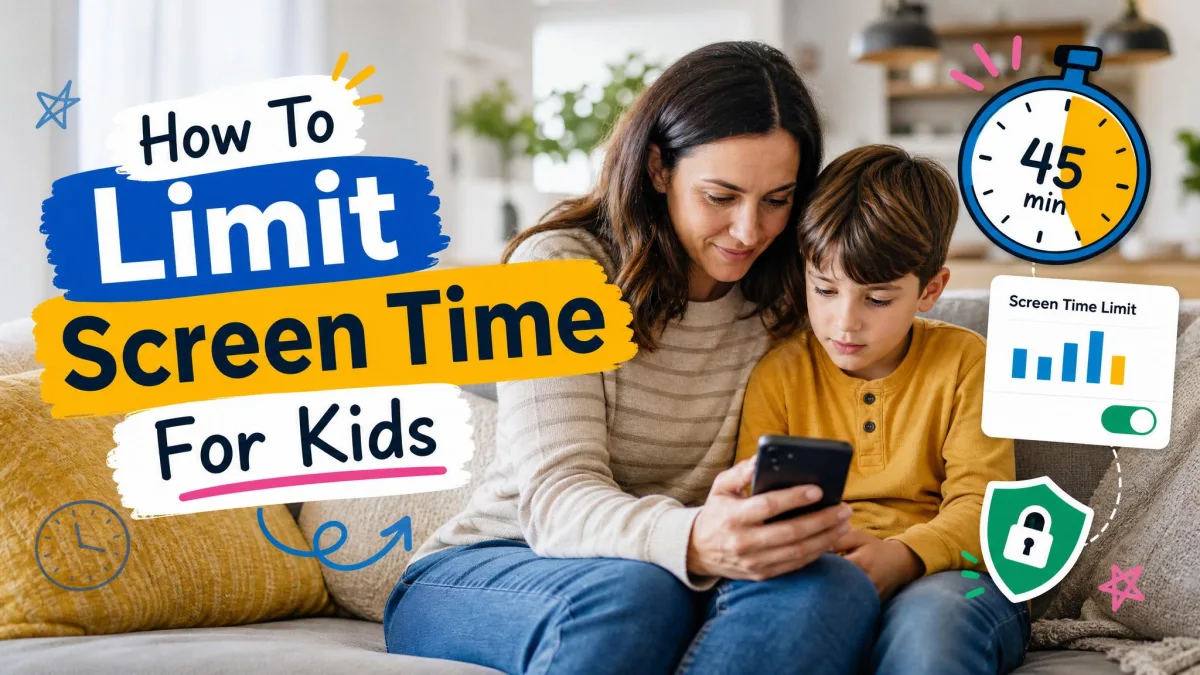
Rules stick better when parents keep the same limits themselves, because kids mirror what adults do. Rigid limits on teens tend to backfire. Keeping screens out of bedrooms on school nights and phones away at meals holds up better. Our guide on how to limit screen time for kids walks through family rules step by step.
Built-in tools and parental control apps can back you up without turning you into a referee. Turning on Block at End of Limit makes an iPhone limit actually hold, but the toggle only appears once a Screen Time passcode is set. Kids can still find ways around limits, so treat any app as support for a conversation, not a replacement for one.
Frequently asked questions
Is 7 hours of screen time a day bad?
Does screen time for work count?
Does cutting back actually help?
Do blue-light glasses help with eye strain?
Bottom line
Too much screen time is less about a single number and more about what screens push out of your day. Follow the AAP's age guidance for young kids, use about two hours of recreational time as a benchmark for everyone else, and watch your sleep first. If your sleep slips, start with one app and one screen-free habit.