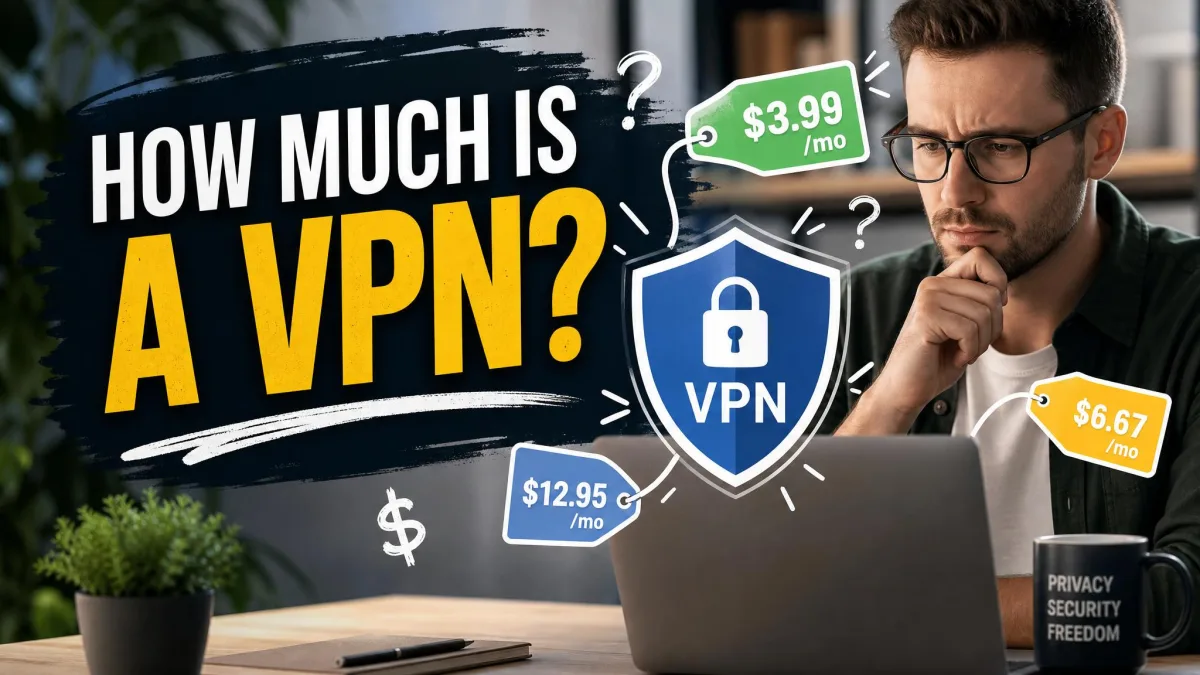
How Much Does a VPN Cost? (Quick Answer)
Wondering how much a VPN really costs before you commit? Here is the short version. A good VPN costs about $8 to $17 per month if you pay month to month, but drops to roughly $1.99 to $3.49 per month when you lock in a two-year plan. Annual plans sit in between, usually near $3 to $7 per month.
We track VPN pricing across the major providers, and the pattern almost never changes. The longer the term you commit to, the less you pay each month. That is why most people we help end up on a multi-year deal rather than paying the steep monthly rate.
So the honest answer is: you should not overpay for a quality VPN, as long as you are willing to commit up front. If you want to know why the numbers swing so widely, and where the traps hide, keep reading.
Average VPN Pricing: Monthly vs Annual vs Multi-Year
VPN pricing works on a simple trade. You swap a longer commitment for a lower monthly rate. Here is how the three common terms compare across the market.
Monthly plans are the most expensive way to pay. Across the major providers, month-to-month pricing commonly runs about $8 to $17, with most entry plans clustering around $10 to $15. You get full flexibility to cancel any time, but you pay a real premium for it.
Annual plans average around $4.82 per month, which works out to roughly $58 for the year. In practice the per-month figure ranges from about $3 to $7 depending on the provider. This is the middle ground: a meaningful discount without a two-year lock-in.
Two-year plans are the cheapest by a wide margin, averaging about $3.81 per month, or near $91 total. The best intro deals dip to $1.99 per month. If you already know you want a VPN long term, this is the tier that saves the most money.
Business plans follow a different model. Team and business VPNs typically start around $7 to $10 per user per month, because they add centralized management and dedicated support on top of the core service.
The headline "per month" price on a two-year plan is charged as one upfront payment, not monthly. A $2.99 per month two-year deal means paying about $72 today, then again in two years.
VPN Price Comparison of Top Providers
The table below shows real 2026 pricing for four services we watch closely. Note the renewal column. That is the price you actually pay once your first term ends, and it is often two to three times the intro rate.
| VPN provider | Monthly price | 1-year price/mo | 2-year price/mo | Renewal price/mo | Money-back window |
|---|---|---|---|---|---|
 | $12.99 | $4.99 | ~$3.09-$3.39 | ~$5.49-$11.59 | 30-day |
 | ~$12.99 | ~$6.67 | ~$2.44-$2.79 | ~$8.32 | 30-day |
 | $15.45 | $3.19 | $1.99 | ~$15.45 | 30-day |
 | $9.99 | ~$3.99 | $2.99 | ~$6.99 | 30-day |
Every provider here backs its plans with a 30-day money-back guarantee, which is the industry standard. That window matters more than it looks, and we come back to it below.
What Influences the Cost of a VPN
Two VPNs can look almost identical and still price hundreds of dollars apart over a couple of years. A few factors explain most of the gap.
Plan length is the single biggest lever. The same service can cost $15 per month or under $2 per month depending only on the term you choose. Nothing else moves the price this much.
Server network and infrastructure cost money to run. Providers with thousands of servers across many countries carry higher overhead, and some of that shows up in the price. Proton VPN's paid plan, for example, covers 20,000+ servers across 140+ countries along with streaming and ad blocking.
Included features widen the gap further. Extras like a password manager, malware blocking, data-breach monitoring, or dedicated IP addresses often ride along in the higher tiers. You are not just paying for the tunnel anymore.
Device count matters if you have a full household. Some plans cap simultaneous connections, while others, like Surfshark, allow unlimited device connections on every plan. More covered devices can justify a slightly higher price.
Brand and marketing play a role too. A big-name VPN with heavy advertising sometimes charges more for the same core protection you can get cheaper elsewhere. Price is not a reliable indicator of quality, and a more expensive plan is not automatically better.
Are Cheap VPNs Worth It?
Cheap does not mean bad. Some of the lowest-priced VPNs we track are also among the most capable, precisely because they win customers on price and then keep them with solid performance. Surfshark at $1.99 per month on a two-year plan is the clearest example: a low price paired with unlimited devices and a full feature set.
The thing to understand is that a low price almost always means a long commitment. That $1.99 figure is an introductory rate tied to the first term. You are trading flexibility for value, which is a fair deal if you are confident you want a VPN for the next two years.
Where "cheap" gets risky is at the very bottom of the market, with unknown providers and free tiers. The real question is not price, but whether the service protects your data or quietly profits from it.
A low price is only a bargain if the service actually protects your data. The cheapest option is worthless if it sells the very information you paid it to hide.
— From our VPN pricing analysis
Are Cheap VPNs Safe and Trustworthy?
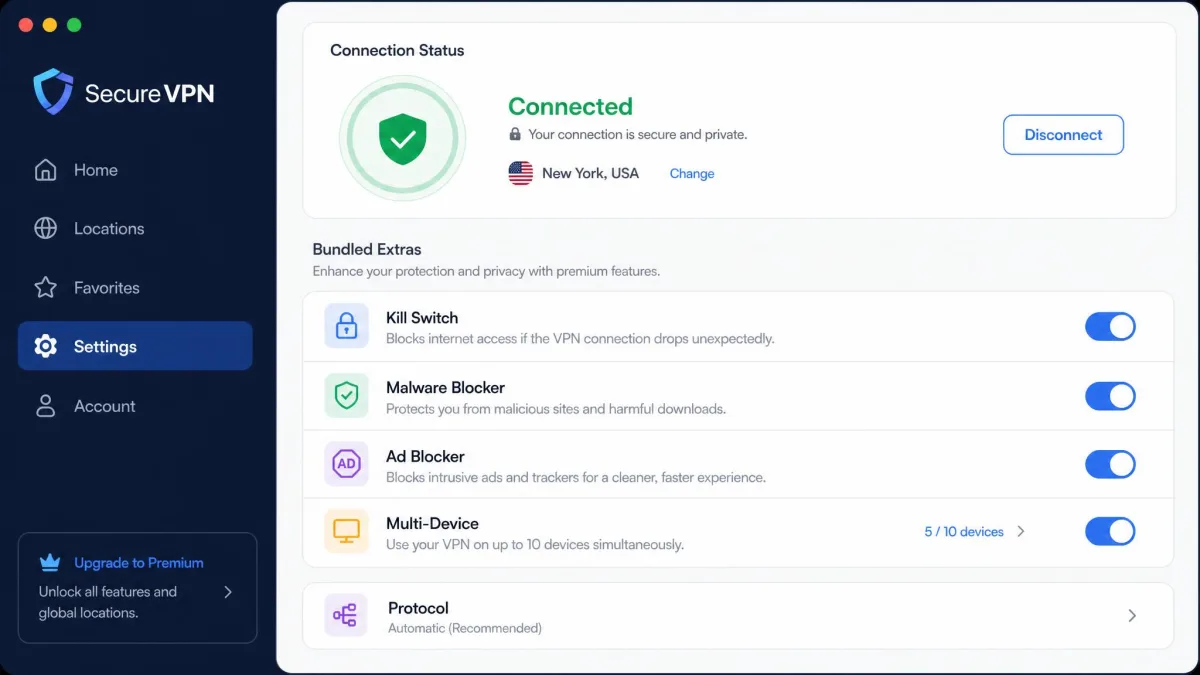
An affordable VPN from a reputable provider is perfectly safe. Price and safety are separate questions. What you want to check are the things that do not appear on the price tag: a clear no-logs policy, independent security audits, a working kill switch, and a track record you can look up.
We treat a published third-party audit as the strongest trust signal. It means an outside firm inspected the code and infrastructure and confirmed the provider does what it claims. A cheap VPN with a recent audit is more trustworthy than an expensive one without one.
Be more cautious with services that have no audit history, no clear ownership, and prices that seem too good to be true. If you want to compare vetted low-cost options, our guide to the best cheap VPNs walks through the ones that pass our checks.
A "lifetime" VPN deal for a one-time $20 or $30 payment is a warning sign, not a bargain. Running a VPN costs money forever, so a one-time fee usually means the service will cut corners, sell data, or disappear.
Can You Get a VPN for Free? (And Should You?)
Yes, free VPNs exist, and a few are genuinely useful. Proton VPN, for instance, offers a free tier with unlimited data on one device and no credit card required, which is rare and reputable. For light, occasional use, that is a real option.
Most free VPNs are a different story. Running a VPN is expensive, so a service giving it away has to make money another way. Many free VPNs stay afloat by serving intrusive ads, and some collect and sell users' personal data. That defeats the entire purpose of paying for privacy, even when the price is zero.
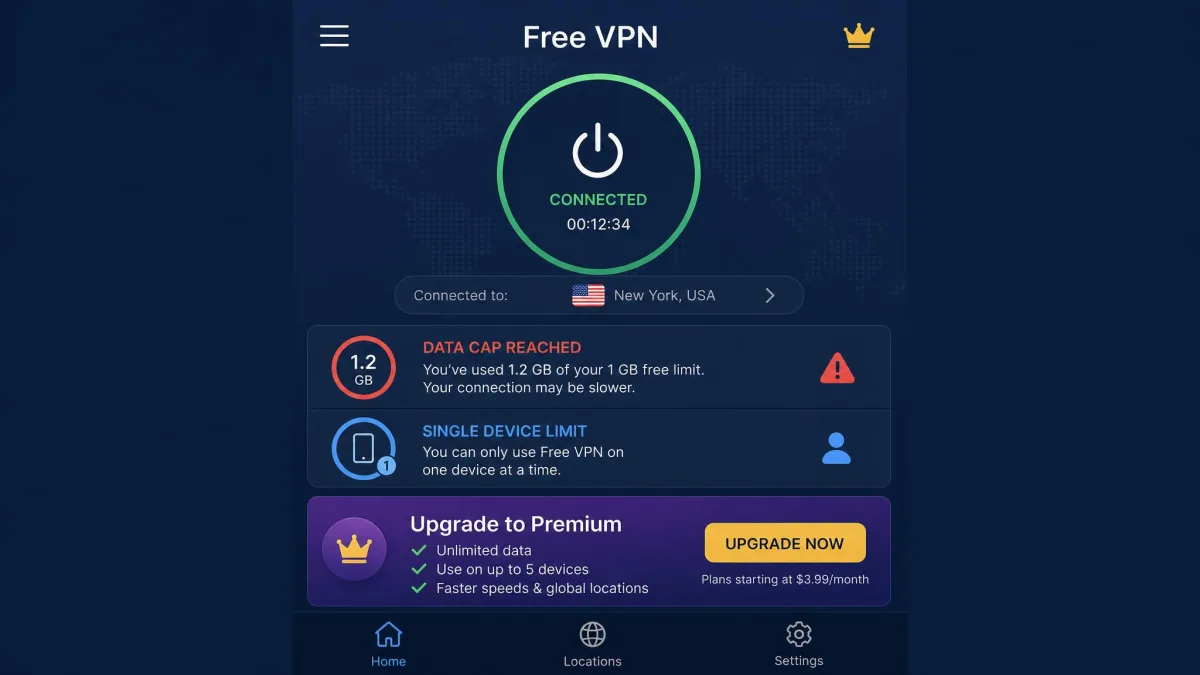
Free plans also come with hard limits. Expect strict caps on data, a single device connection, a short list of available servers, and blocked P2P file sharing. You can test a service or cover a quick task, but a free VPN rarely holds up as your everyday tool.
Our take: use a trustworthy free tier like Proton's to try the experience, then move to a cheap paid plan once you know you need it. The gap in speed, servers, and reliability is worth the few dollars a month. If you are still deciding whether you need one at all, why use a VPN covers the common reasons.
Why Are Some VPNs So Expensive?
If a two-year plan can cost under $2 per month, why do some services charge $13 or more? Part of the answer is the plan term, since month-to-month pricing is always steep. But some providers genuinely sit at the premium end.
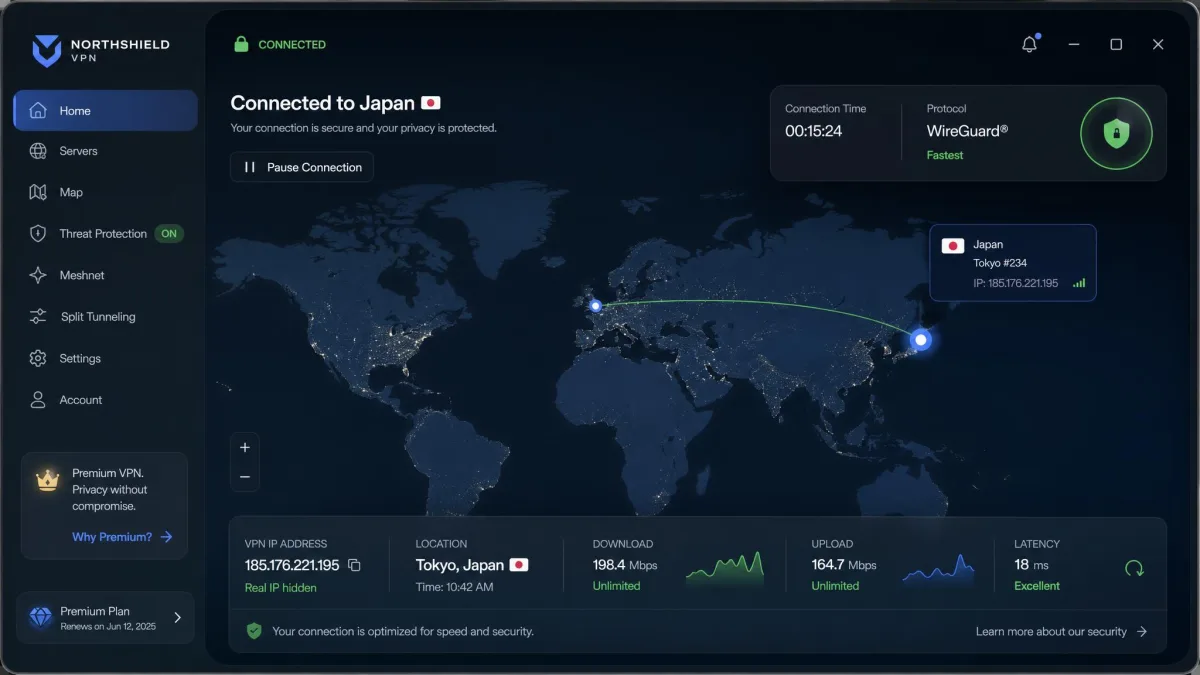
Premium pricing usually buys three things: heavy investment in a large, fast server network, a long record of independent audits, and polished apps with responsive support. ExpressVPN is the classic example of a provider that charges more and leans on reliability and brand trust to justify it.
The honest catch is that you can overpay. A reasonable ceiling for a monthly VPN is about $13 to $14. Paying more than that month to month is hard to justify, because you can get comparable protection cheaper, especially on a longer term. Extra spend does not guarantee extra security.
If a plan costs well above the pack and you cannot point to a concrete reason you need its specific extras, you are probably paying for marketing rather than protection.
How to Save Money on a VPN
Nobody needs to pay full monthly price. A few simple moves cut the cost sharply.
Commit to a longer term. This is the big one. Moving from a monthly plan to a two-year plan routinely cuts the per-month price by 70% or more. If you know you want a VPN, the two-year tier is almost always the best deal.
Watch for seasonal sales. VPN prices drop hard around Black Friday, Cyber Monday, and New Year. If your timing is flexible, waiting a few weeks for a sale can shave another dollar or two off the monthly rate.
Use the money-back guarantee as a free trial. Nearly every major provider offers a 30-day refund window. Sign up, test speeds and streaming on your own devices, and request a refund if it disappoints. You risk nothing.
Share a plan. If your VPN allows multiple or unlimited devices, split it across a household or family. Divided four ways, even a mid-priced plan costs pocket change per person each month.
Skip the add-ons you will not use. Bundled dedicated IPs, extra storage, and premium support all raise the price. Buy the base plan unless you have a specific need for the extras.
Stack the discounts. Buy a two-year plan during a Black Friday sale and split it across your household. That combination gets you the lowest realistic per-person price on a quality VPN.
What to Look For When Choosing a VPN
Price is where most people start, but it should not be where you finish. Once a plan clears your budget, judge it on what actually protects you.
A no-logs policy, ideally audited. The provider should not keep records of what you do online, and an independent audit should confirm it. This is the core of what you are paying for.
Strong security features. Look for a reliable kill switch, modern protocols like WireGuard, and DNS leak protection. Our explainer on what a VPN kill switch is covers why that one matters most.
Speed and server coverage. A VPN slows your connection a little by design, so a fast network matters. Look for providers that publish current speeds and pass independent DNS-leak checks; you can verify both yourself with a baseline speed test and a leak tool like Cloudflare before your refund window closes. Servers in the countries you care about matter for streaming and access.
Streaming and device support. If you want Netflix or other content from another region, confirm the VPN unblocks it. Check the device limit too, so every gadget in your home is covered.
A real money-back guarantee. A 30-day window lets you verify all of the above on your own hardware before you are locked in. Treat it as a required feature, not a bonus.
If you are newer to all this, what is a VPN and how a VPN works fill in the background, and how to get a VPN walks through setup.
Bottom Line: How Much Should You Pay?
Here is the number we land on after tracking these prices closely: aim for about $3 to $5 per month on a one or two-year plan, and do not exceed roughly $13 to $14 per month if you insist on paying month to month.
The savings live in the commitment. A two-year plan should average out to about $5 or less per month, and that is where quality VPNs become genuinely cheap. If you are not ready to commit, an annual plan near $4 to $7 per month is a sensible middle path.
Two rules protect you from overpaying. First, always check the renewal price, not just the intro rate, because that headline deal only applies to your first term. Second, remember that a higher price does not buy more safety. Match the plan to what you actually need, use the refund window to test it, and you will land on the right VPN at the right price.