CyberGhost is one of the easier VPNs to live with. It has servers in 100+ countries, dedicated streaming and torrenting servers, simple apps and a 45-day money-back guarantee on its longer plans. The complaints we hear are narrower: speeds sag on long-distance servers, the 7-device limit fills up quickly, and the price roughly doubles at the first renewal.
NordVPN is our top alternative, because it matches CyberGhost on streaming and holds its speed on the distant servers where CyberGhost struggles. Below we compare six alternatives on speed, streaming, no-logs audits and price, including one genuinely free option and two cheap long-term plans. None of them is perfect, so we flag the trade-offs as plainly as the strengths.
Quick Picks: The Best CyberGhost Alternatives at a Glance
Why Look for a CyberGhost Alternative?
CyberGhost gets a lot right, especially on ease of use, and our CyberGhost VPN review scores it 8.4/10. Its streaming servers are labelled per platform. In our testing, the ones for Netflix US, BBC iPlayer, Disney+ and Prime Video loaded on the first try without any server-hopping. The app connected to a nearby server in under ten seconds, and the Android kill switch tripped within about two seconds every time we cut the connection.
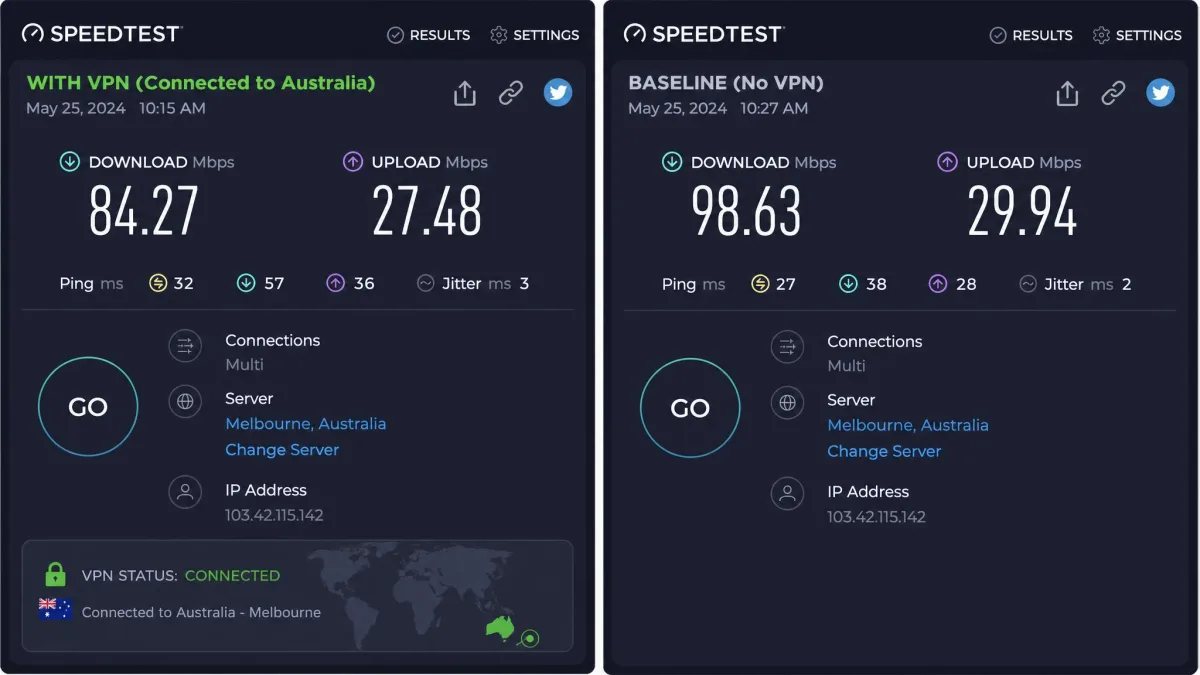
The gaps show up when you push past the basics. Long-distance connections are the weak spot: our downloads dropped by more than 55 percent on Australia and South Africa servers, against about 20 percent on nearby ones. The streaming servers also threw CAPTCHA checks on ordinary websites fairly often, which gets tiresome if you leave the VPN on all day.
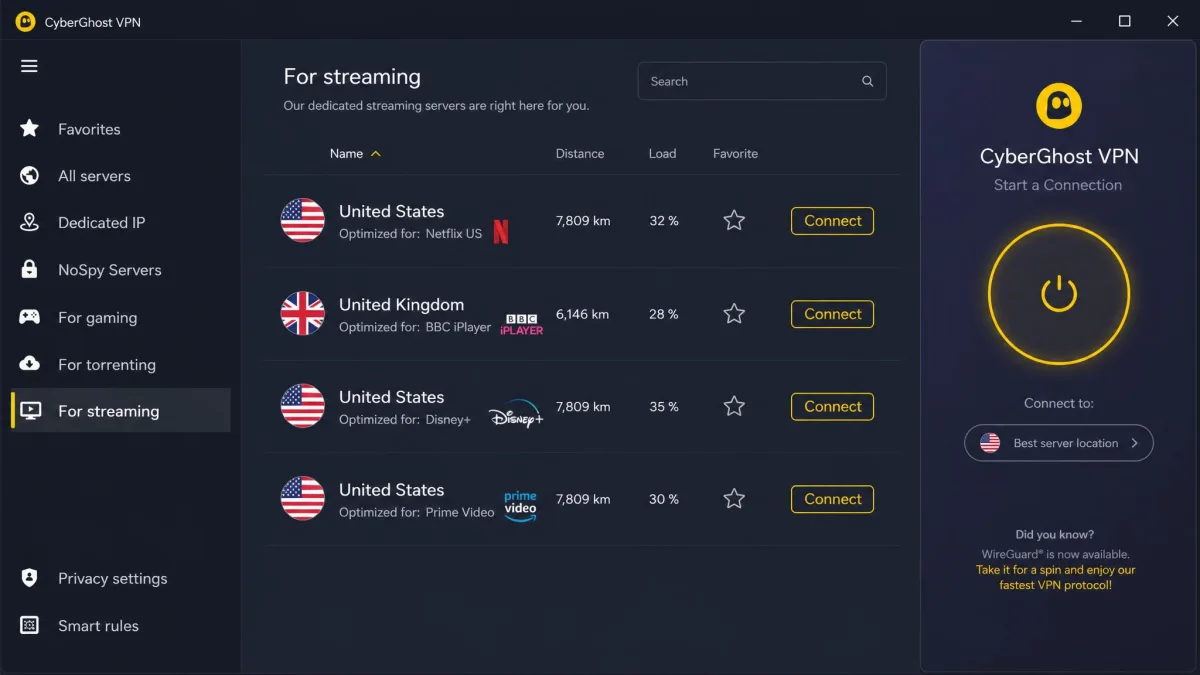
Then there is the household problem. CyberGhost allows 7 simultaneous connections, and that cap fills up quickly once you count phones, laptops, a TV stick and a couple of tablets.
Pricing is the last sore point. The 26-month plan costs $2.19 a month, billed $56.94 up front, which looks like a bargain. After that intro term it renews at $56.94 for 12 months, so the effective rate rises to about $4.75 a month, and the auto-renew toggle is easy to miss. The 6-month plan is $6.99 a month, and monthly billing is $12.99.
Ownership matters to some readers too. CyberGhost is run by CyberGhost S.R.L. in Bucharest, Romania, and it has belonged to Kape Technologies, which also bought Private Internet Access and ExpressVPN, since 2017. If moving away from Kape is part of your reason to switch, two of the picks below share that parent company.
What to Look For in a CyberGhost Alternative
Start with the problem you want to solve, because a replacement that fixes one CyberGhost gap but reopens another is not an upgrade. Speed on distant servers comes first. Almost every VPN is quick in your own region, but long routes are where CyberGhost falls behind.
Streaming reliability is next. CyberGhost's dedicated servers set a fair bar, so an alternative should unblock the big platforms without a lot of trial and error.
The cheapest sticker price rarely stays cheapest. Compare what each plan renews at, not just what the first term costs.
An independent no-logs audit is the third check. CyberGhost has had three from Deloitte, the latest published in February 2026, so an alternative should clear the same bar with a named auditor. Pricing, device limits and refund windows round out the list, because they decide what you pay and how many gadgets you can cover.
Sign up for the new VPN before you cancel CyberGhost. Most alternatives here give you 30 days to test, and CyberGhost's 45-day window on its longer plans usually overlaps. That lets you compare both on your own connection without paying twice.
How We Picked These Alternatives
We began with CyberGhost itself, noting what it does well and where it falls short, then held every alternative to the same checks. Speed came first. We measured download loss on nearby servers and on long routes such as Australia, South Africa and transatlantic connections, because long routes are where CyberGhost gives the most ground.
Streaming came next. We tried each service with Netflix and with the other big platforms it claims to unblock, such as BBC iPlayer, Disney+ and HBO Max. We noted whether it needed special servers or several attempts. Where a kill switch was part of the pitch, we checked that it fired when the connection dropped or the network changed. Then we checked the paperwork: who audited the no-logs policy and when, where the company is based, the device limit, the refund window and what each plan renews at. Each pick's score comes from our full review of that service, and those scores set the order below.
The Best CyberGhost Alternatives, Ranked
NordVPN and Proton VPN tie at the top, and the list ends with Private Internet Access, which matches CyberGhost's own score but beats it on price and device limits.
1. NordVPN: Best Overall
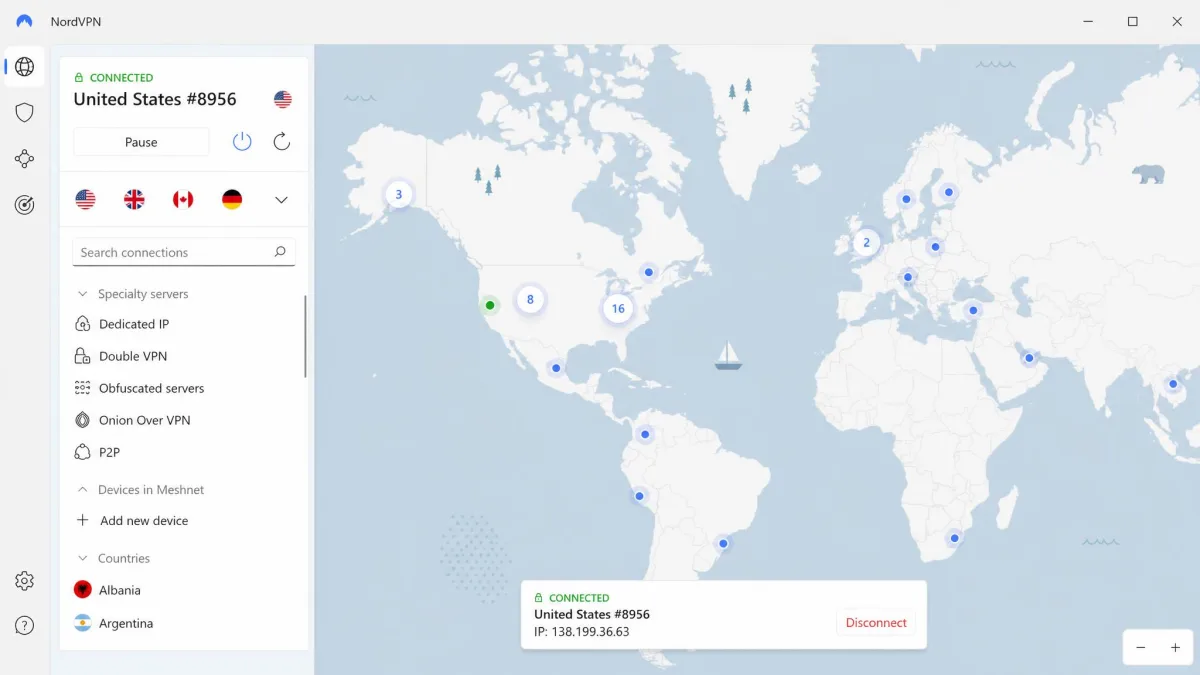
NordVPN fixes CyberGhost's biggest weakness without giving up its streaming strength, and our NordVPN review rates it 9.0/10. The difference showed most on long routes. When we connected to NordVPN's Australia and South Africa servers, speeds held above 60 Mbps, while CyberGhost fell well below that on the same routes. On nearby servers the download loss was only about 7 percent, and 4K streams and video calls ran without buffering.
Streaming needs no special setup. Regular NordVPN servers unblocked Netflix, HBO Max, Prime Video, Disney+, ESPN+ and YouTube TV in our testing, so you never hunt for a labelled streaming server. Double VPN is there for high-privacy sessions, but it cut our speed by roughly 80 percent, so treat it as an occasional tool.
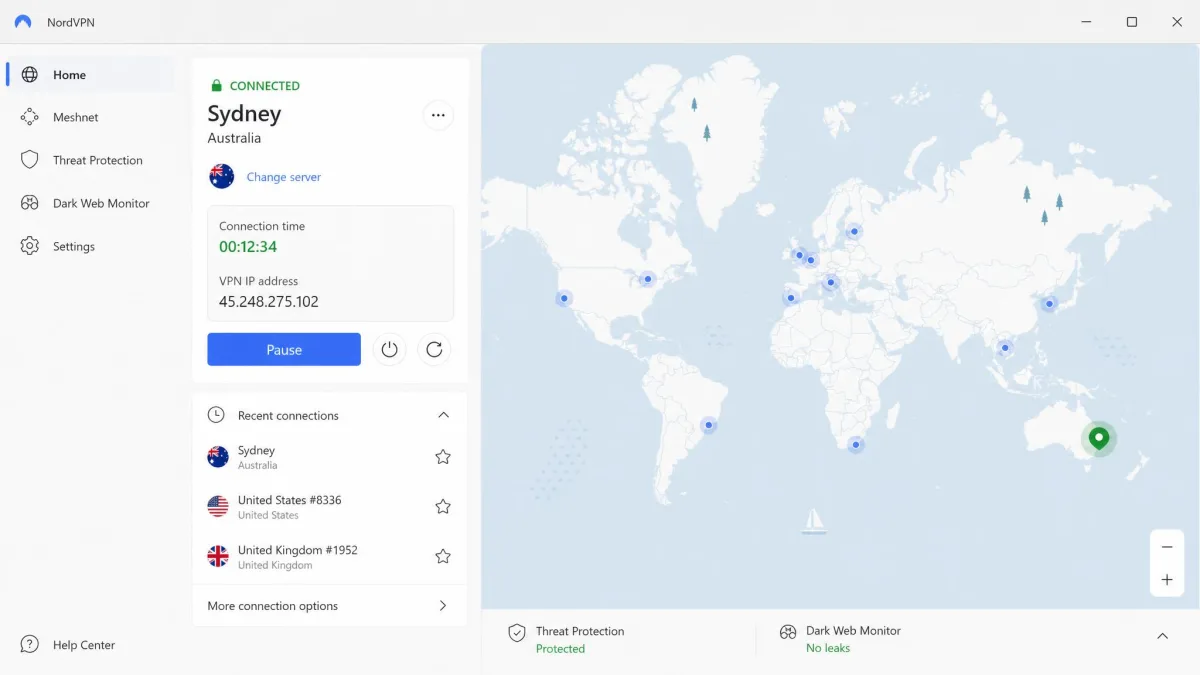
On privacy, NordVPN is based in Panama and has had its no-logs policy checked six times, twice by PwC and four times by Deloitte. NordVPN's sixth independent no-logs assessment, carried out by Deloitte, was published in February 2026. You get 10 simultaneous connections, a 30-day money-back guarantee, and servers in 129 to 137 countries depending on whether virtual locations are counted. The 2-year Basic plan costs $3.49 a month, and monthly billing is $14.99.
Pros
- Threat Protection Pro blocks malware, ads and trackers
- Apps for Apple TV, Fire TV and routers
Cons
- Monthly billing is pricier than CyberGhost's
- Live chat is quick, but some fixes are scripted
2. Proton VPN: Best Free Alternative
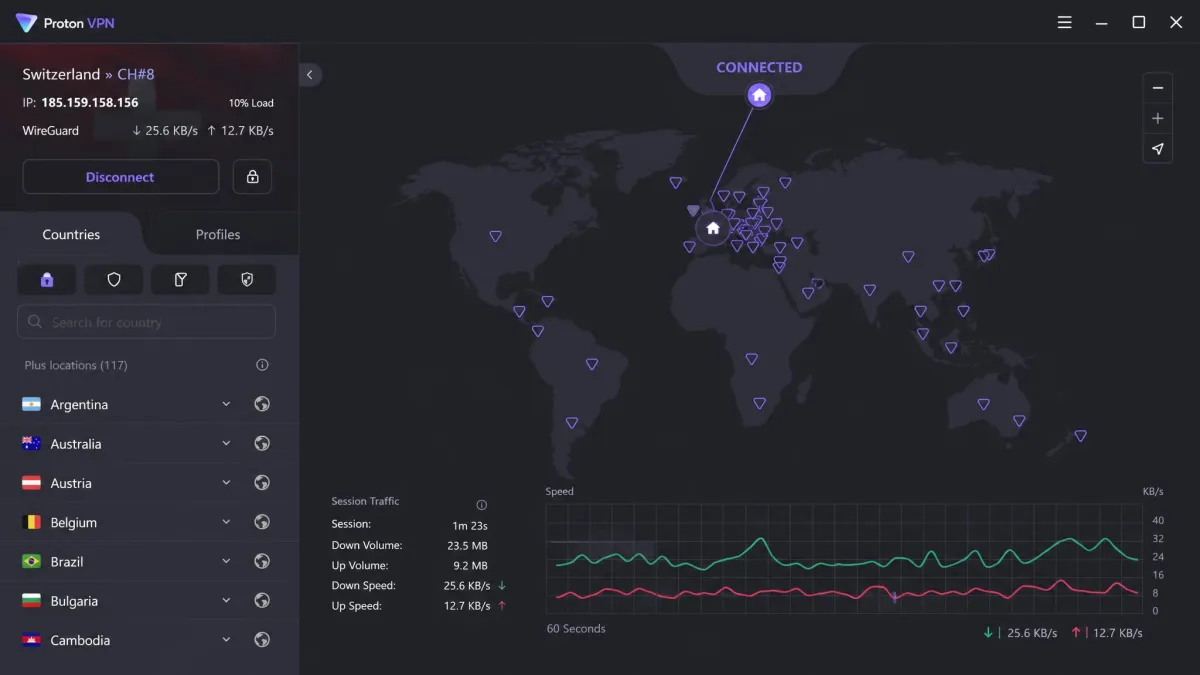
Proton VPN ties NordVPN at 9.0/10 in our Proton VPN review, and it is the only pick here with a free plan you can keep. The paid VPN Plus plan was just as quick in our testing. Paid servers cut our download speed by no more than about 8 percent, and VPN Accelerator lifted throughput noticeably on distant servers. When we started a 4K stream, playback began in under four seconds and never buffered.
Paid plans unblocked Netflix libraries, BBC iPlayer, Disney+ and HBO Max consistently. Secure Core, which routes you through hardened servers first, runs about 35 percent slower than a standard connection. The Stealth protocol is also slower than WireGuard, so save both for when you need them.
The free plan covers 1 device at a time, with no data cap and no ads. It picks the server for you, though, and it does not support streaming or torrenting. For a CyberGhost user, that makes it a safe fallback for secure browsing on public Wi-Fi rather than a full replacement.
Proton AG is based in Switzerland and is majority-owned by the nonprofit Proton Foundation. Proton's no-logs policy has been audited by Securitum every year since 2022, with the 2026 report published in full. VPN Plus covers 10 devices, costs $2.99 a month on the 2-year plan or $9.99 monthly, and carries a 30-day money-back guarantee.
Pros
- The app installs in under two minutes and explains every setting in plain language
- NetShield blocks ads and malware on paid plans
Cons
- Live chat is not 24/7 and is closed to free users
- Secure Core and Stealth cost noticeable speed
3. ExpressVPN: Most Polished Apps
Where Proton leans on privacy tools, ExpressVPN leans on polish, and our ExpressVPN review gives it 8.8/10. Its apps are the most refined of the group. The kill switch, called Network Lock, fired correctly in our testing when a server timed out and when we changed networks mid-session. Netflix libraries in several countries, ESPN+ and Hulu all streamed without issues.
Speed is where it trails the two leaders. On nearby servers our downloads fell by roughly 37 to 39 percent, more than with NordVPN or Proton VPN. Support is uneven too: email replies took close to two days, so use live chat.
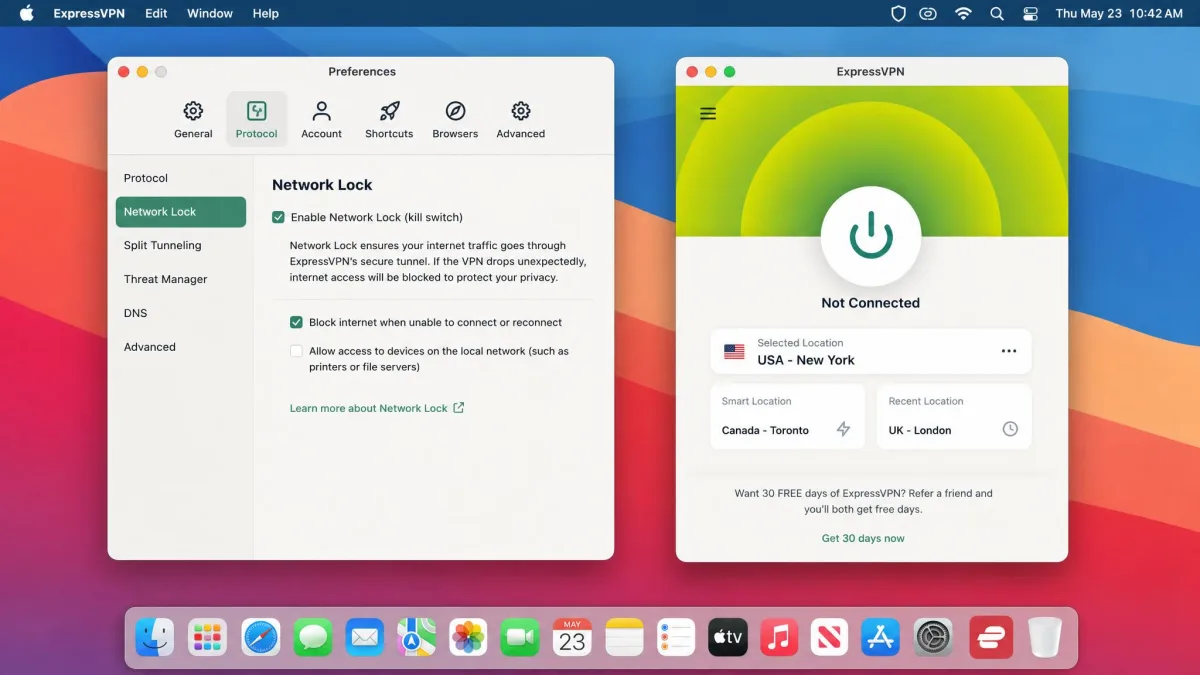
ExpressVPN now sells tiered plans. Basic costs $2.99 a month on the 2-year term and renews at $99.95 a year. Advanced is $4.49 a month and Pro $7.49, and the device allowance rises from 10 on Basic to 12 on Advanced and 14 on Pro. That makes it pricier than NordVPN and Surfshark on comparable terms. You get servers in 113 countries, a 30-day money-back guarantee and a 7-day free trial through the mobile app stores. Router apps cover Asus, Linksys, Netgear, Fortify and its own Aircove routers. Its KPMG assessment covered the TrustedServer setup and privacy policy as of February 2025. Note that ExpressVPN has been owned by Kape since 2021, the same parent as CyberGhost.
Pros
- Post-quantum encryption and RAM-only TrustedServer servers
- Servers in all 50 US states
Cons
- Bigger speed loss on nearby servers
- Email support is slow

4. Surfshark: Best for Unlimited Devices
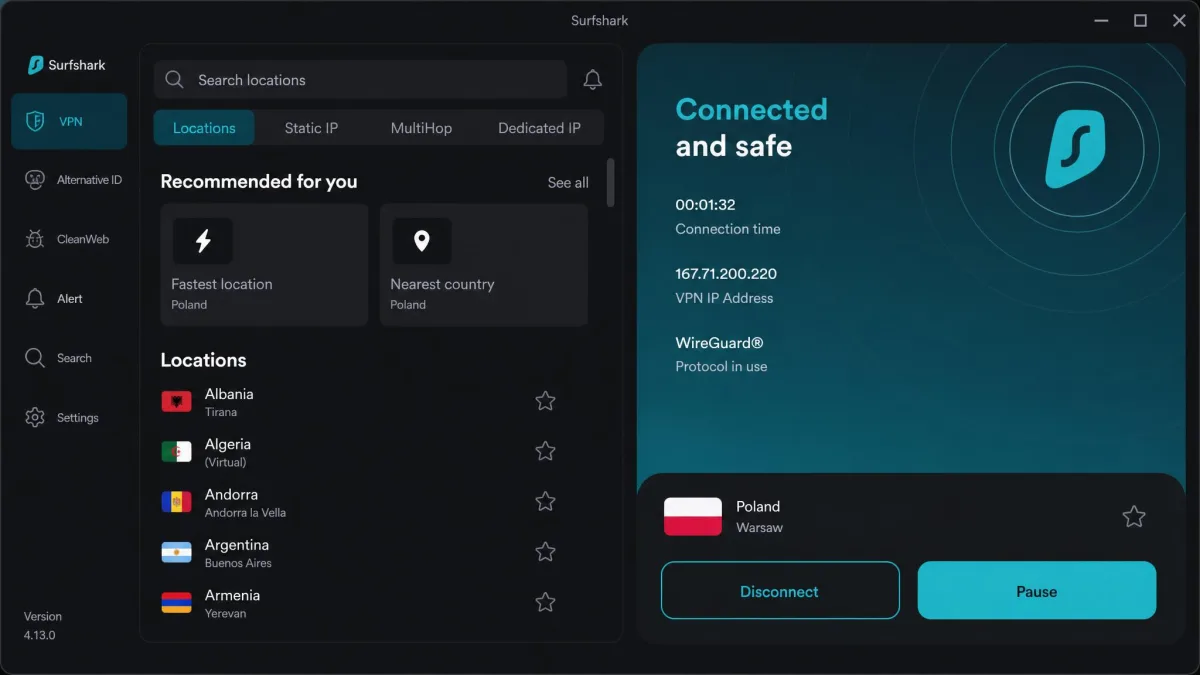
If the 7-device cap is what pushed you away from CyberGhost, Surfshark removes it entirely. Every plan allows unlimited simultaneous connections, and our Surfshark review scores it 8.6/10.
It is fast, too. Surfshark slowed our downloads by only about 10 percent on a transatlantic server. We also downloaded a 4GB file over a torrent with Camouflage Mode running, and it finished only about 5 percent slower than without the VPN. The macOS app ran noticeably better than the Windows one, where ping spiked on some servers.
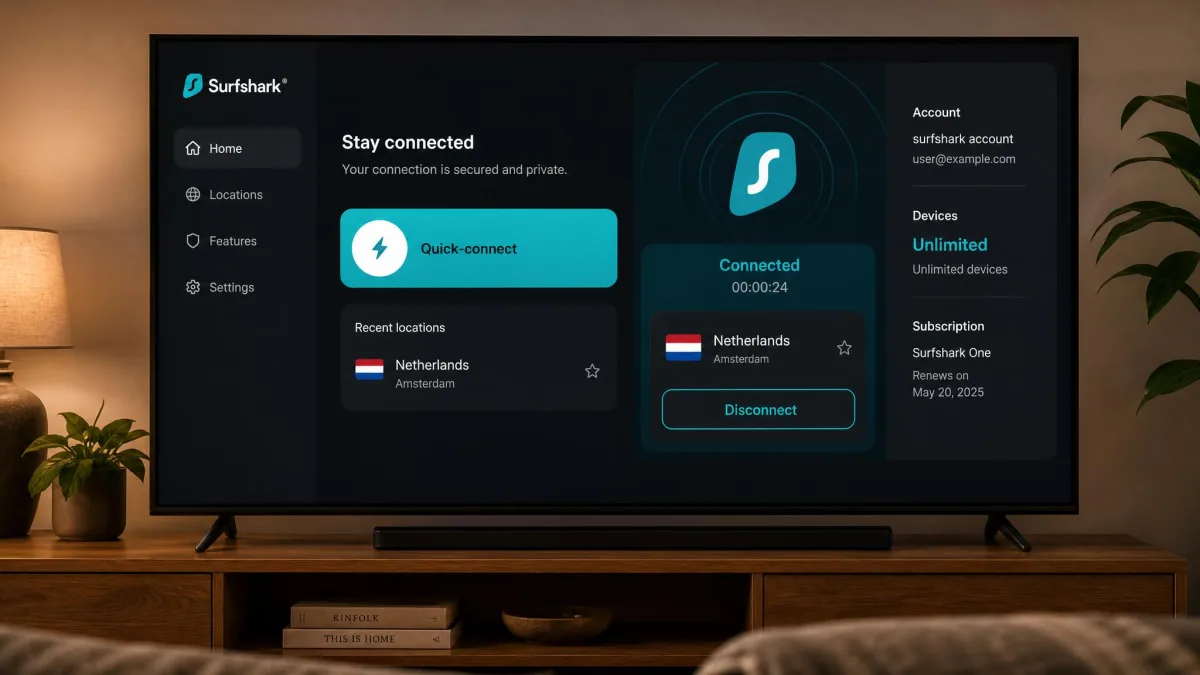
Netflix worked reliably across several regions, and the native Android TV, Apple TV and Fire TV apps made TV setup simple. Surfshark's Deloitte no-logs report from 2025 followed an earlier one in 2023. It confirms that Surfshark keeps your connection IP for about 15 minutes during a session before deleting it. The company is based in the Netherlands and runs 4,500+ servers in 100 countries.
The Starter plan costs $2.49 a month on the 2-year plan, and Surfshark One is $2.79 a month with antivirus and alerts added. Month-to-month billing runs roughly $15 to $16 depending on region and tax, one of the priciest in the category, so the value only shows up on the long plan. Refunds follow the usual 30-day window.
Pros
- CleanWeb ad and tracker blocker included
- Camouflage and NoBorders modes for restrictive networks
Cons
- Expensive on monthly billing
- MultiHop slows connections significantly

5. Mullvad: Best for Anonymous Privacy
Mullvad is the opposite of Surfshark's feature-rich bundle. It sells one plan at a flat EUR 5 a month, with no tiers and no multi-year discount, and our Mullvad VPN review rates it 8.5/10.
Signing up took us seconds. Mullvad issued a random 16-digit account number and asked for no email or name, and you can pay with cash, crypto or a voucher. That is as anonymous as a mainstream VPN gets, and it is based in Sweden. Its audits check infrastructure security rather than issue a formal no-logs opinion. Cure53's fourth audit of Mullvad's VPN servers in 2024 found no issues compromising user privacy, and X41 D-Sec reviewed its account and payment systems in January 2026. A 2023 Swedish police visit also found no customer data to take.
Streaming is the trade-off. Netflix US and BBC iPlayer blocked our Mullvad connections with a VPN or proxy error, and access that worked in one session failed minutes later. Speeds also varied a lot from server to server.
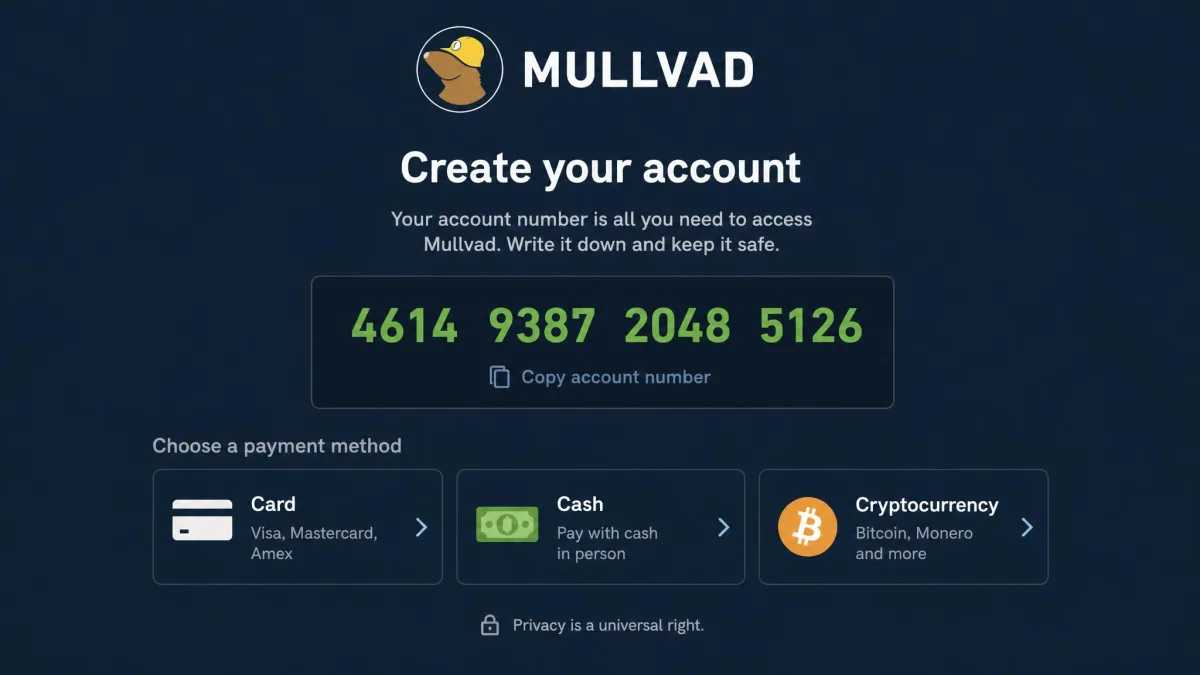
Mullvad has used WireGuard only since its OpenVPN servers went offline in January 2026. It covers 5 devices, runs 566 servers in 50 countries, and offers a 14-day money-back guarantee, except on cash payments. Support is email-only, and the iOS app lacks some advanced network settings found on desktop and Android.
Pros
- DAITA defense against traffic analysis
- Price never jumps at renewal
Cons
- No port forwarding
- Frequent CAPTCHAs on websites

6. Private Internet Access: Best Budget Long-Term Plan
Private Internet Access, or PIA, is the closest sibling to CyberGhost, since Kape has owned both since 2019. It matches CyberGhost's 8.4/10 in our PIA review, but it beats it on two practical points: unlimited devices and a lower long-term price.
PIA is a tinkerer's VPN. The Windows app is polished but exposes advanced features such as kill switch levels, protocol choice, encryption settings and port forwarding, which suits power users more than beginners. Speeds were inconsistent in our testing. Some US and UK servers lost around three quarters of a fast gigabit line, while other runs lost closer to 12 percent. Netflix US streamed on the first attempt, and HBO Max blocked a standard US server but then played in 4K on a streaming-optimized one.
The 3-year plan with 3 bonus months costs $2.03 a month, billed $79, which is cheaper than CyberGhost's long plan. The 1-year plan is $3.99 a month and monthly billing is $11.95. PIA has servers in 91 countries, Deloitte audited its no-logs policy in 2022 and 2024, and it offers a 30-day money-back guarantee plus a 7-day free trial on iOS and Android. Live chat answered us quickly and knowledgeably.
Pros
- Port forwarding and MACE ad blocking
- Open-source apps
Cons
- No dedicated Fire TV Stick app listing in some regions
- US base inside the Five Eyes alliance
CyberGhost Alternatives Compared
This table puts the six picks side by side in ranked order, with CyberGhost in the last row as the baseline. Long-term prices are introductory rates, and most renew higher.
| Product | Buy | Monthly price | Best long-term price | Connections | Countries | No-logs audit | Streaming | Torrenting | Free tier | Money-back |
|---|---|---|---|---|---|---|---|---|---|---|
|
Check price → | $14.99 | $3.49/mo (2-year Basic) | 10 | 129 to 137 | PwC and Deloitte, six audits | Strong | Yes, P2P servers | No | 30-day |
|
Check price | $9.99 | $2.99/mo (2-year Plus) | 10 (1 on free) | 140+ | Securitum, yearly since 2022 | Strong on paid, none on free | Paid plans only | Yes, no data cap | 30-day |
|
Check price | Varies by tier | $2.99/mo (2-year Basic) | 10 to 14 by tier | 113 | KPMG, as of Feb 2025 | Strong | Yes | No (7-day mobile trial) | 30-day |
|
Check price | About $15 to $16 | $2.49/mo (2-year Starter) | Unlimited | 100 | Deloitte, 2023 and 2025 | Strong | Yes | No | 30-day |
|
Check price | EUR 5 | EUR 5/mo (no discount) | 5 | 50 | Infrastructure audits, not a no-logs opinion | Weak | Yes, no port forwarding | No | 14-day (not cash) |
|
Check price | $11.95 | $2.03/mo (3 years + 3 months) | Unlimited | 91 | Deloitte, 2022 and 2024 | Mixed | Yes, port forwarding | No (7-day mobile trial) | 30-day |
 |
$12.99 | $2.19/mo (26 months) | 7 | 100+ | Deloitte, three audits | Strong, dedicated servers | Yes, dedicated servers | No | 45-day (14-day monthly) |
Best CyberGhost Alternative by Use Case
If you know which CyberGhost frustration you want to lose, this is the short version.
- Streaming from anywhere: NordVPN, since its regular servers unblock the big platforms.
- A big household: Surfshark for simpler apps, or PIA for the lowest long-term price.
- Anonymity: Mullvad, since signup needs no email address or card.
- Torrenting: PIA for port forwarding, or Surfshark for fast large downloads.
- Premium apps and routers: ExpressVPN, if polish matters more than raw speed.
- Paying nothing: Proton VPN's free plan, within the limits noted in its review.
Is a Free VPN a Good Alternative to CyberGhost?
Usually not. Free VPNs have to earn money somewhere. Many do it with ads, data caps or thin security that falls short of what a paid service like CyberGhost gives you. Most also limit streaming, and a VPN that exists to sell your browsing data defeats the point of using one.
Proton VPN is the safe exception. Its free plan keeps the same audited no-logs policy as the paid tier, within the limits covered in its review above.
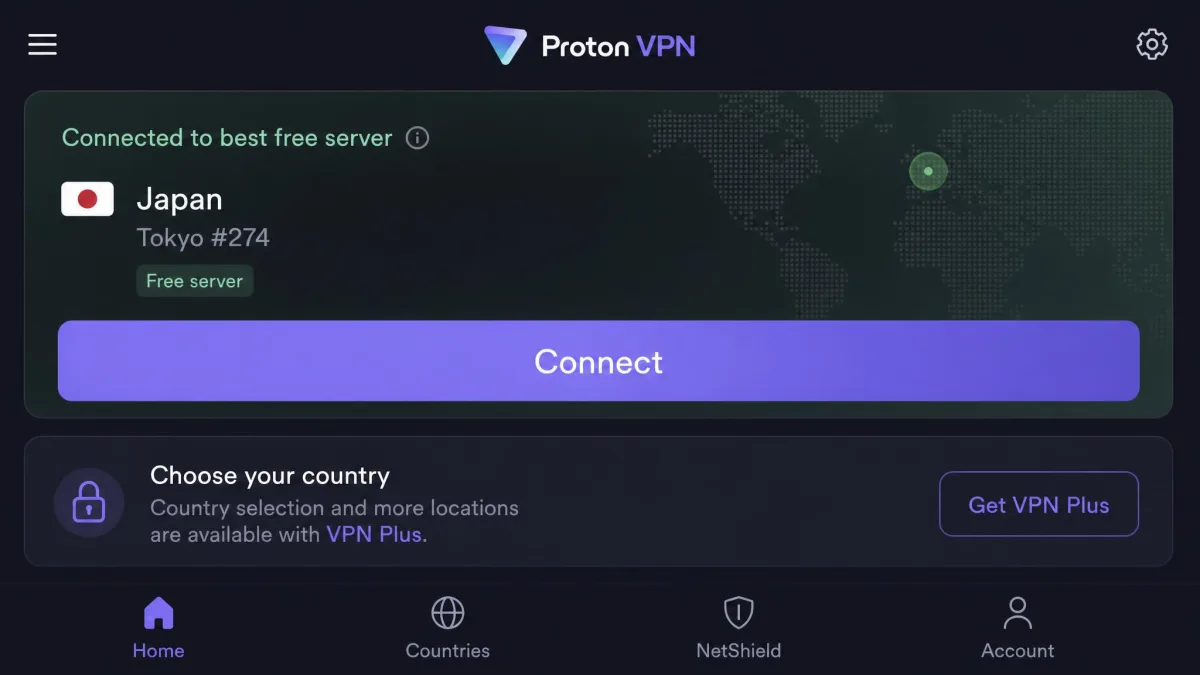
So a free plan works as a secure browsing tool for public Wi-Fi or a backup connection. If you used CyberGhost for Netflix, BBC iPlayer or torrenting, a paid plan is the better fit. PIA and Surfshark also cost less over a long term than CyberGhost's first renewal.
When CyberGhost Still Makes Sense
CyberGhost is still a good VPN, and switching is not always worth the effort. If you mostly stream from servers in your own region, its labelled streaming servers are among the least fussy we have used. Its no-logs policy has been audited by Deloitte three times, most recently in 2026, so privacy is not a reason to leave.
It also suits anyone still inside the cheap first term of the 26-month plan. At $2.19 a month, few premium VPNs undercut it until the renewal arrives. And its 45-day refund window is the longest in this comparison, which gives new users more time to decide than any pick above.