
7 Best CleanMyMac Alternatives in 2026 (Free & Paid)
- Best CleanMyMac Alternatives Compared
- Why Look for a CleanMyMac Alternative?
- CleanMyMac Alternatives at a Glance (Comparison Table)
- Free vs. Paid: Which Type of Cleaner Do You Need?
- How to Choose the Right CleanMyMac Alternative
- Final Thoughts: Our Top Pick
- Frequently Asked Questions
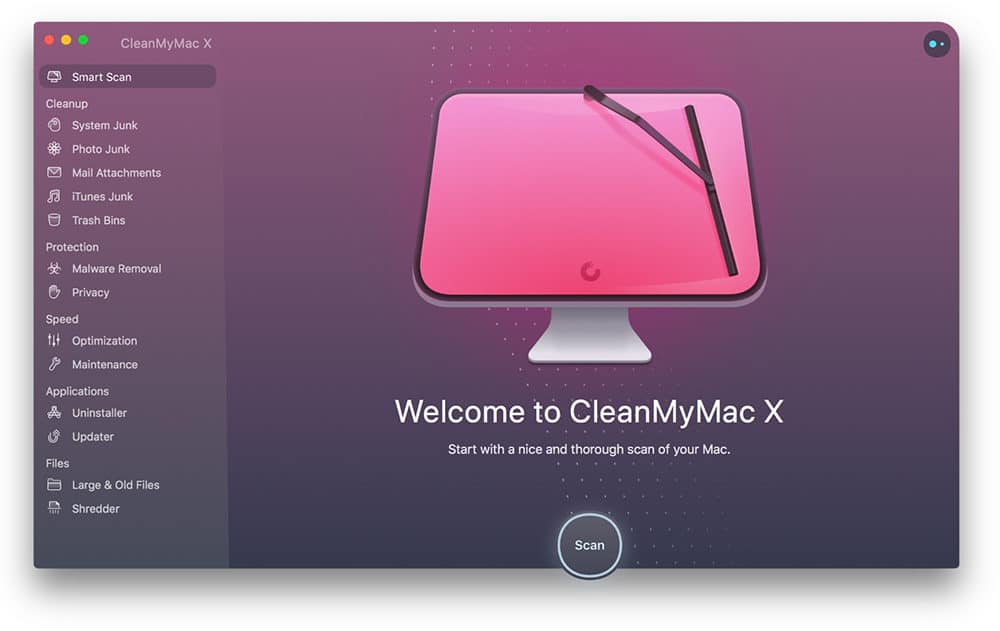
CleanMyMac is a polished app, but it asks for a subscription of around $40/year, and its one-click Smart Care can sweep away files in the background without showing you much first. Plenty of Mac owners want the same result without the recurring bill. So we tested seven CleanMyMac alternatives for 2026, from free tools like OnyX and AppCleaner to low-cost one-time buys like DaisyDisk and BuhoCleaner. Below you will find a comparison table, pros and cons, current pricing, and our top recommendation.
Best CleanMyMac Alternatives Compared
We grouped these picks by job, from the simplest all-rounder to the most specialized cleaner.
1. CCleaner for Mac - Best Overall Simple Cleaner
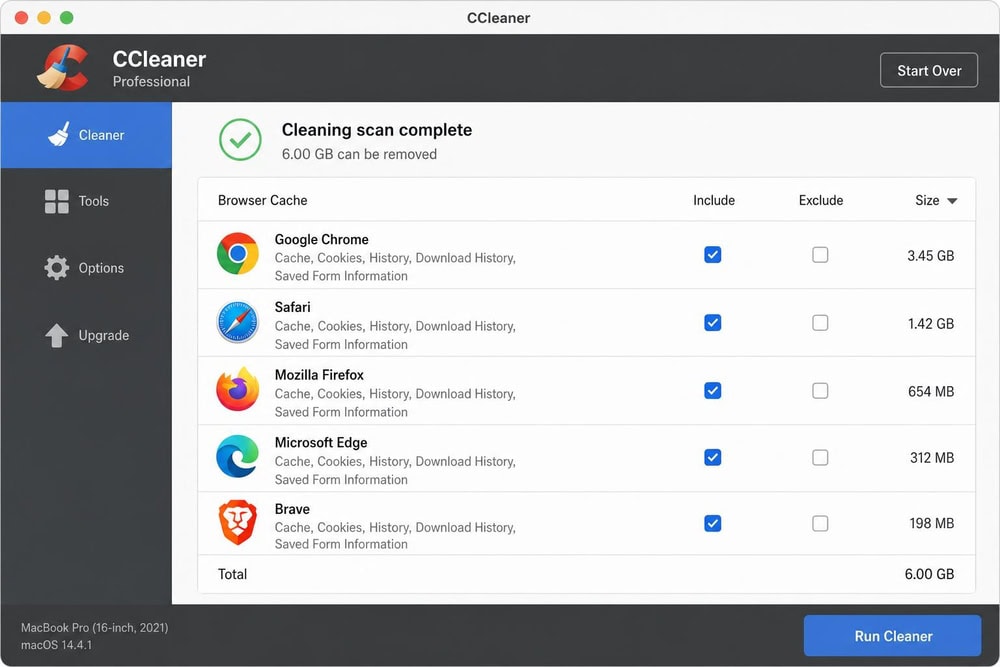
CCleaner for Mac is the closest like-for-like swap for CleanMyMac, the one we reach for first when someone wants familiar all-round cleaning without the subscription. We ran the free version on a 2021 MacBook Air that had not been cleaned in months. The scan finished in under a minute and surfaced about 6 GB of browser cache and log files, with a checklist that let us deselect anything we wanted to keep first.
Pros
- Familiar, simple interface
- Free tier handles routine cleaning
- Shows a checklist before deleting
Cons
- Best automation is paid-only
- Closed-source; no malware scan
Pricing: the free version covers everyday cleaning; CCleaner Professional lists at around $44.95/year with a 30-day money-back guarantee on macOS 10.12 and newer.
Try CCleaner for Mac2. DaisyDisk - Best for Visual Storage Analysis
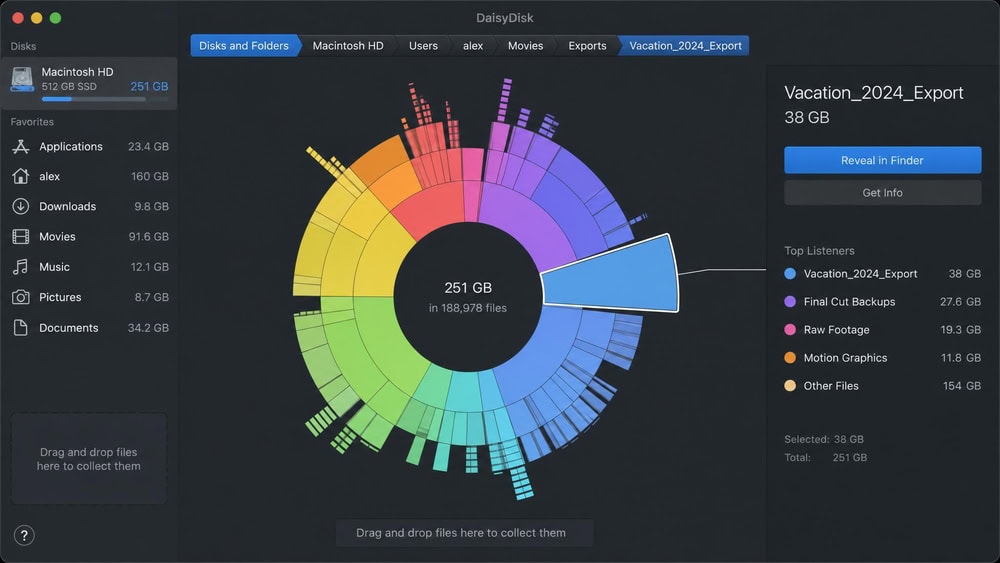
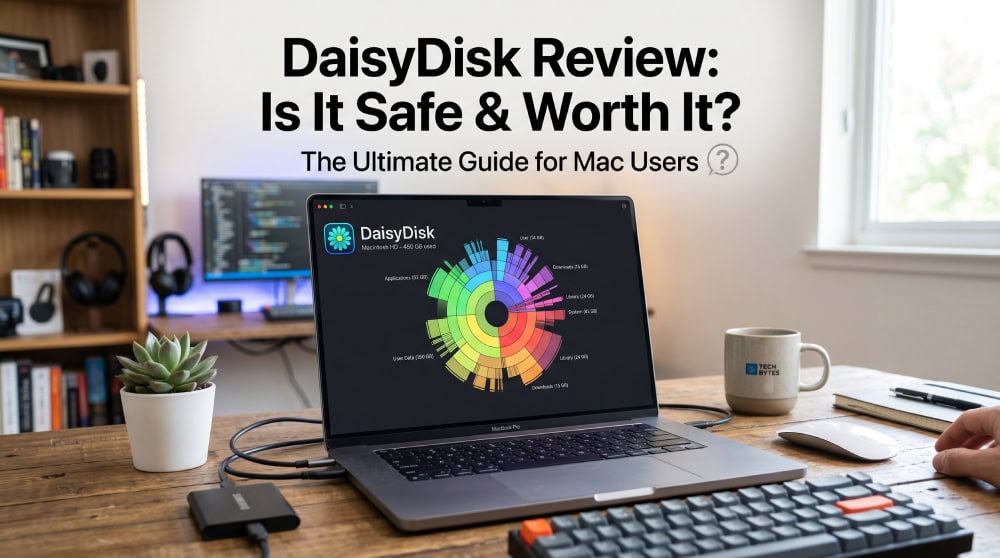
Where CCleaner cleans broadly, DaisyDisk does one thing beautifully: it shows you where your storage went. We pointed it at a nearly full 512 GB SSD, and within minutes it revealed a forgotten 38 GB folder of old video exports buried deep in a project archive. We dragged those files to its collector, previewed them, then deleted the lot.
Pros
- Genuinely useful visual disk map
- One-time price, no subscription
- File preview before deleting
Cons
- Storage analysis only; no cache cleanup
- No uninstaller, malware scan, closed-source
Pricing: $9.99 one-time, with a free trial and a 30-day money-back guarantee on macOS 10.13 or newer. It is not a full cleaner, but it is the best value way to reclaim storage.
Get DaisyDisk3. OnyX - Best Free Option for Power Users
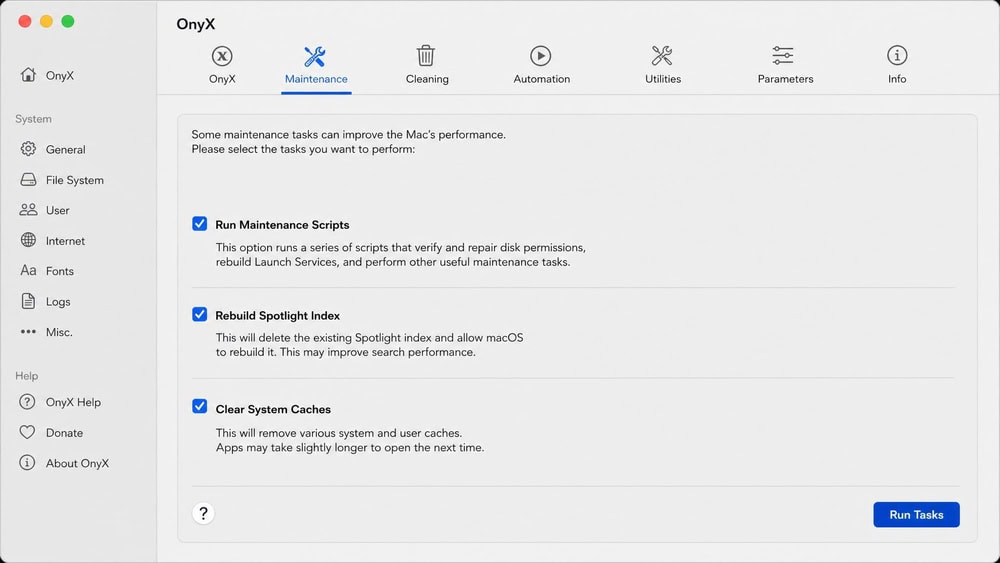
DaisyDisk shows you the mess; OnyX lets you do the deep maintenance for free, running scripts, clearing caches and exposing hidden settings. On a sluggish iMac, we ran its maintenance and cache tasks, then rebuilt the Spotlight index, and the machine felt noticeably more responsive after a restart.
Pros
- Completely free, no paid tier
- Deep maintenance and cache tools
- Configures hidden system settings
Cons
- Plain interface, little guidance
- Free, but not open-source
Pricing: free, with donations accepted. Titanium Software ships one OnyX build per macOS version, so download the one matching your release.
Download OnyX4. Disk Drill - Best for Recovery + Cleanup
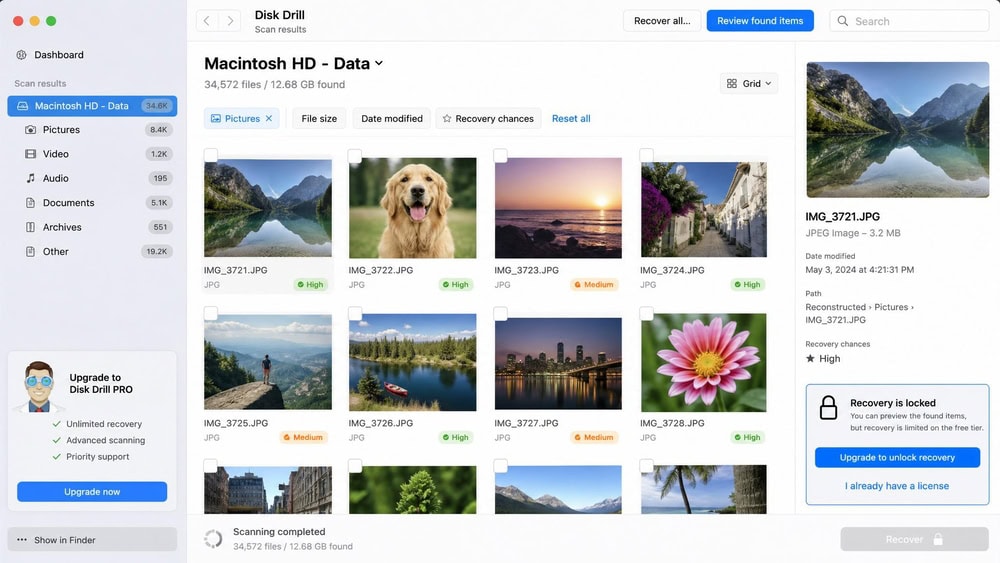
OnyX assumes everything is fine; Disk Drill is the pick for when something has gone wrong. We deleted a test photo folder, emptied the trash, ran a scan, and Disk Drill found and previewed every image within minutes. One catch we confirmed during testing: on Mac, the free version only scans and previews and recovers nothing until you upgrade. The 500 MB free-recovery allowance you may have read about is Windows-only, so do not expect free recovery on a Mac.
Pros
- Recovery plus cleanup in one app
- Free analyzer and duplicate finder
- S.M.A.R.T. drive-health monitoring
Cons
- Mac free tier scans and previews only
- Pro license is pricey; closed-source
Pricing: the cleanup and health tools are free; recovery requires Pro, reported at around $89 one-time, on macOS 10.15.8 and newer. It is overkill for plain cleaning, but the best choice if recovery insurance matters.
Try Disk Drill5. MacBooster - Best All-in-One Optimizer
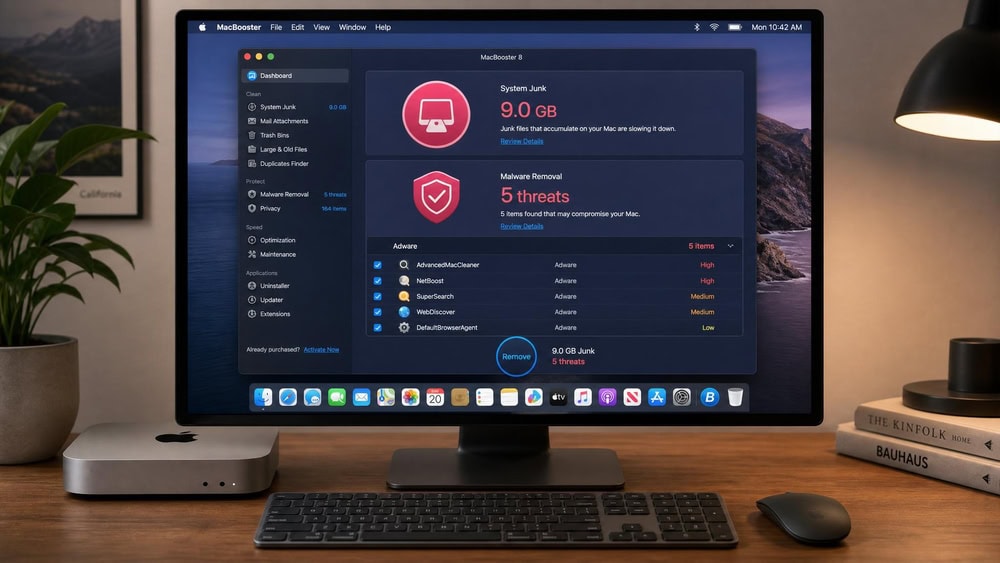
If Disk Drill is the specialist, MacBooster comes closest to matching CleanMyMac feature for feature. We installed it on a Mac mini and ran a full scan, which flagged about 9 GB of system junk plus adware left behind by a browser extension. Clearing them took one click, and the malware scan sets it apart from the free-but-narrow tools.
Pros
- Closest all-in-one match to CleanMyMac
- Includes a malware and adware scan
- One-click cleanup across many junk types
Cons
- Highest annual list price here
- Pushes upgrades; closed-source
Pricing: the download and scan are free, but full cleanup needs a paid license. The standard plan lists at around $59.95/year, though MacBooster runs near-constant sales and a multi-Mac lifetime option is often far cheaper than its $179.95 list price, backed by a reported 60-day guarantee on macOS 11.5 or later.
Get MacBooster6. AppCleaner - Best Lightweight Uninstaller
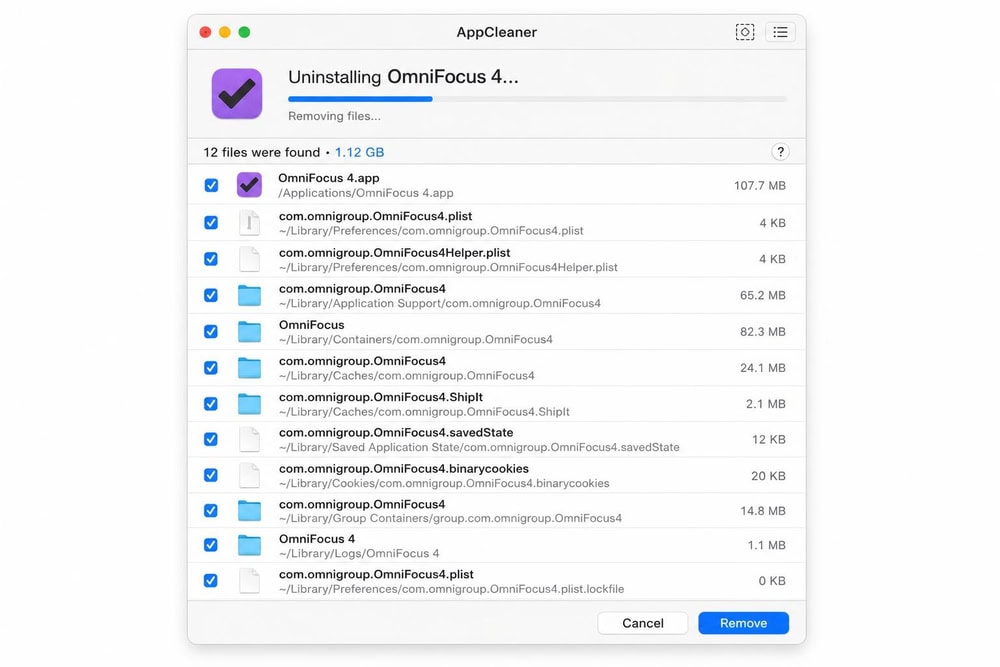
After MacBooster's everything-suite, AppCleaner does one job right: dragging an app to the Trash leaves behind caches, preferences and support files, and AppCleaner finds and removes all of them at once. We dropped an old design app onto it, and it instantly listed the app plus eleven leftover files scattered across the Library. We confirmed it, clicked remove, and everything went together.
Pros
- Completely free, about 4 MB
- Removes leftovers a manual drag misses
- Lists every file before deleting
Cons
- Uninstalling only; no junk or malware tools
- Freeware, not open-source
Pricing: free, with optional donations, on macOS Mojave (10.14) and later. It is the best free companion to a storage tool like DaisyDisk.
Download AppCleaner7. BuhoCleaner - Best Everyday Optimizer
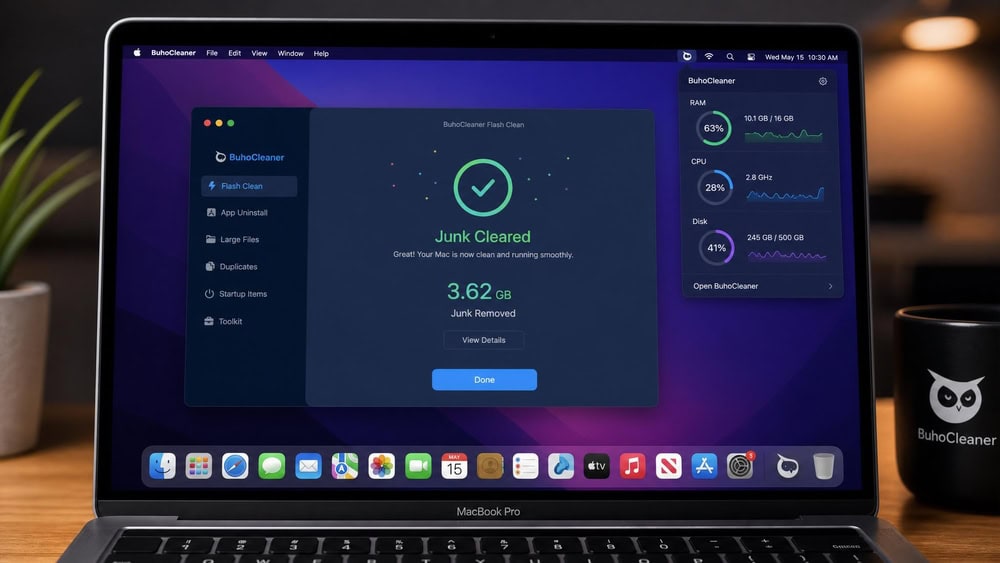
BuhoCleaner sits between AppCleaner's single focus and MacBooster's full suite, and it is the most modern-feeling cleaner we tested. We used the free version on a MacBook Pro, where its Flash Clean button cleared the first few gigabytes of junk automatically before prompting for the paid upgrade. Its menu-bar monitor proved the handiest extra, giving a live read on memory pressure without Activity Monitor.
Pros
- Clean, modern interface for daily use
- One-tap Flash Clean plus live monitor
- Affordable one-time pricing
Cons
- Free version caps auto-cleaning
- Weak malware scanning; closed-source
Pricing: the free version auto-cleans the first few gigabytes of junk; the full version removes that cap. A single-Mac lifetime license is reported at around $19.99 and a three-Mac option near $29.99, with a reported 30-day guarantee, on current Apple Silicon and Intel Macs.
Get BuhoCleanerWhy Look for a CleanMyMac Alternative?
The most common reason is cost. CleanMyMac runs on a subscription of around $40/year that returns every year, and a lifetime license is reported at roughly $119.95. If you only deep-clean a few times a year, that math is hard to justify.
The other reasons are control and scope. CleanMyMac leans on one-click automation, which is convenient until it removes something you wanted, whereas many alternatives here show you exactly what they will delete first. It also bundles junk cleanup, malware scanning, an uninstaller, a duplicate finder and optimization together, so if you only want one job done well, a focused tool often does it better and for less.
CleanMyMac Alternatives at a Glance (Comparison Table)
Here is how the seven tools compare on price, free version, open-source status and key features, with CleanMyMac as the benchmark.
| Feature | CleanMyMac | CCleaner for Mac | DaisyDisk | OnyX | Disk Drill | MacBooster | AppCleaner | BuhoCleaner |
|---|---|---|---|---|---|---|---|---|
| Price | ~$40/yr; ~$119.95 lifetime | Free + ~$44.95/yr Pro | $9.99 one-time | Free | ~$89 one-time Pro | ~$59.95/yr list | Free | ~$19.99 lifetime |
| Free / Paid | Paid (7-day trial) | Freemium | Paid (trial) | Free | Freemium | Freemium | Free | Freemium |
| Open-source? | No | No | No | No (not open-source) | No | No | No (freeware) | No |
| macOS support | macOS 11+ | macOS 10.12+ | macOS 10.13+ | One build per version | macOS 10.15.8+ | macOS 11.5+ | macOS 10.14+ | Apple Silicon + Intel |
| Key features | All-in-one suite | Junk, uninstaller, duplicates | Visual disk analyzer | Maintenance, caches | Recovery + cleanup | All-in-one optimizer | Uninstaller only | Junk, uninstall, monitor |
| Best for | (benchmark) | Simple all-rounder | Storage analysis | Free power users | Recovery + cleanup | All-in-one suite | Lightweight uninstalling | Everyday optimizer |
Free vs. Paid: Which Type of Cleaner Do You Need?
You do not have to spend anything to keep a Mac tidy. OnyX and AppCleaner are both completely free, and between them they cover deep maintenance and clean app removal, which is most of what casual users want. Disk Drill, CCleaner, MacBooster and BuhoCleaner offer free tiers too, though each holds back its best features for paying customers.
The paid tools earn their keep on convenience and breadth: scheduled cleaning saves time, and only the paid all-in-one tools here add malware scanning. Combine two focused free tools and you can match most of CleanMyMac for nothing.
How to Choose the Right CleanMyMac Alternative
Start with the job, not the brand. A full disk is solved by DaisyDisk plus a free uninstaller for under ten dollars; messy app leftovers need only AppCleaner; and hands-on maintenance for nothing is OnyX. For the full CleanMyMac experience in one app, choose MacBooster for the broadest features or BuhoCleaner for a lower one-time price, and pick Disk Drill if you may need to recover a deleted file. A subscription only pays off if you clean often; otherwise a one-time license costs less over two years than one year of a subscription.
Final Thoughts: Our Top Pick
You rarely need to replace CleanMyMac with one equally expensive app. If you are still weighing whether to stay, our full CleanMyMac review goes deeper on what you would give up.
Frequently Asked Questions
Does a Mac actually need a cleaner app?
Not strictly. macOS manages caches, memory and storage on its own. A cleaner mainly helps you find large or duplicate files faster, remove app leftovers completely, and free space when a disk is nearly full. Those are convenience gains, so pick a tool only if it solves a problem you have.
Are free CleanMyMac alternatives safe?
Reputable free tools like OnyX and AppCleaner are safe and well established, but "free" still calls for care. Download only from the developer's official site, and be cautious with any tool that deletes files automatically. The real risk is rarely a malicious app; it is an aggressive auto-clean removing something you wanted, so use any preview.
What is the cheapest CleanMyMac alternative that works well?
For paid tools, DaisyDisk at $9.99 one-time is the cheapest that genuinely earns its place, though it focuses on storage. For zero cost, OnyX and AppCleaner together cover deep maintenance and app removal. BuhoCleaner, at around $19.99 for a lifetime license, is the cheapest full optimizer.
Does Apple recommend CleanMyMac or any Mac cleaner?
No. Apple does not endorse third-party cleaners and generally points users to the built-in Storage tools in System Settings instead. That does not make these apps unsafe, but it does mean a cleaner is optional. Treat any "Apple recommended" claim on a vendor page with skepticism.

 CleanMyMac Review
 Best Mac Cleaner Software
 MacBooster Review
 DaisyDisk Review
 Drive Genius Review
 MacPaw Gemini 2 Review
 How to Clean Up Mac
 Free Up Disk Space on Mac